Every year, COSMOS - our hybrid platform highlighting independent music scenes from around the world - links up with new partners, inviting them to grant us a glimpse into their unique musical environments. We’re now rolling out the visual component of these partnerships: short but powerful mini-documentaries, by the scene, for the scene.
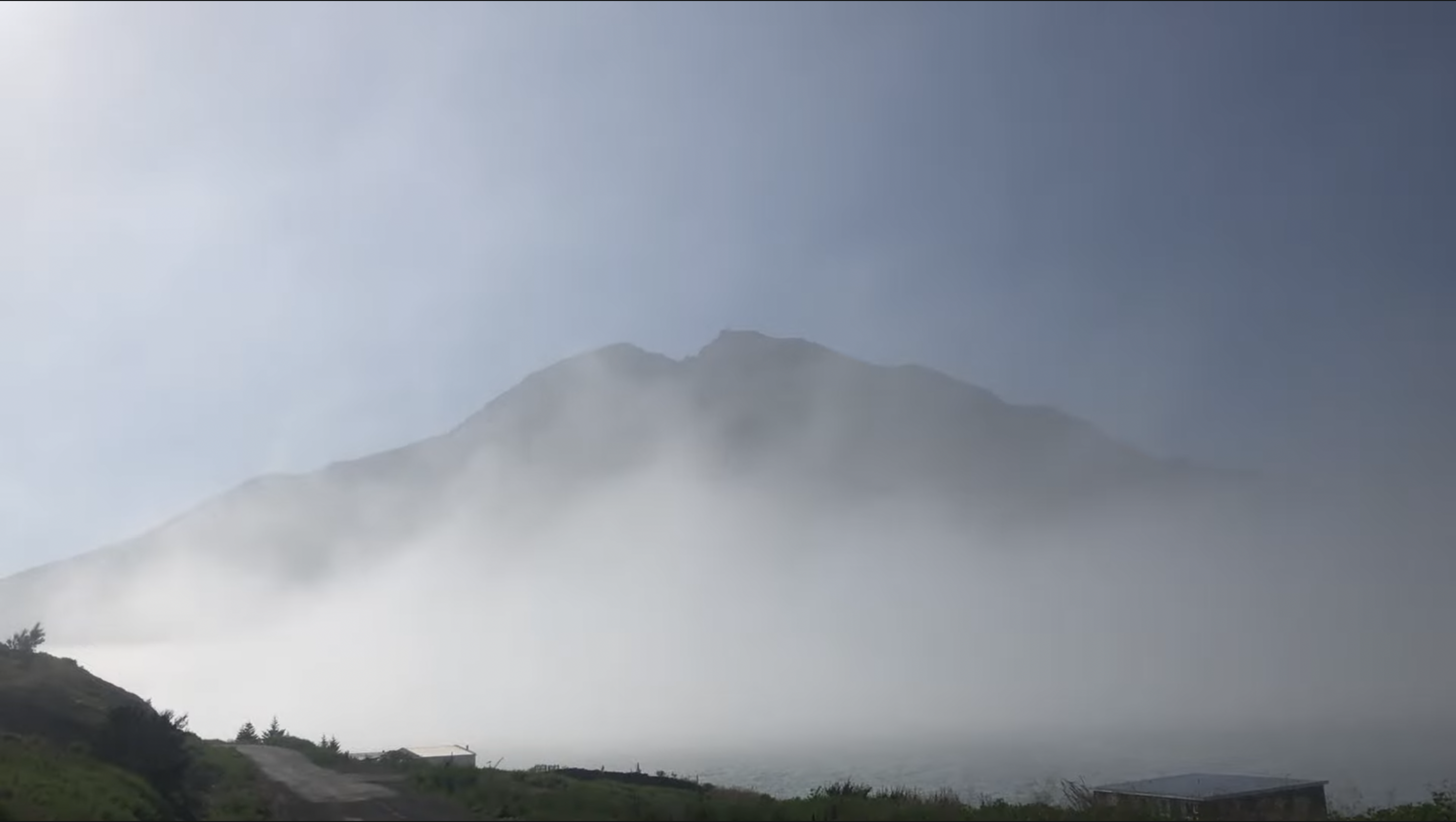
This time we’re getting our brains massaged by the impressionistic imagery and scenic environments of Seyðisfjörður, Iceland, where artists from all over the world come together in a 700-people town to create and live side by side.
The interview questions below were answered by Austin Thomasson, an American director, visual artist and musician, who put this film together with the support of the team behind Seyðisfjörður Community Radio and LungA School.
Austin, when Lasse {Høgenhof} and his crew approached you to create a short documentary about Seyðisfjörður, what went through your head? How long did it take to come up with a concept?
In an endearing 17-minute voice recording, Lasse told me of COSMOS, this Le Guess Who? project, and asked me if I’d want to make the film. Soon as I heard the proposition, some three minutes in, it was an immediate “yes” and I was preparing to hop on a flight to go make the film. We then decided it would be made from archival footage of many participants, locals and visitors of the fjord over the years. At this point, that was the only concept: to take all these perspectives and experiences that all had Seyðis as the common denominator and marry them somehow. It was agreed from the outset before we saw a single clip that it was not our intention to be detailed, or really informative about what goes on in Seyðisfjörður, but to attempt to drive head first into how it can feel to be there, and really, from my perspective.
How did you get involved with the people in Seyðisfjörður in the first place? When and how did you end up there?
In 2015, I followed my then-girlfriend/now-wife there as she was doing a 10-month residency at Heima Art Collective. Looking for something of my own to do, I decided to attend the LungA School as a student that fall. I was perfectly disenfranchised at the time as I’d just dropped out from film school in Chicago where I had felt invisible and uninspired for 4 years.
This pause and respectable silence I had been lacking was mined there and so my creativity flourished as I was encouraged to explore my creativity and relationships to new ends, and in so doing my heart grew three sizes.
At the end of that fall, I returned home with many new lessons in me, and my mother passed away just 24 hours later. I attribute my strength to mourn and navigate my grief openly to that autumn spent in Seyðisfjörður, and her death crystallized my determination to return there year over year ever since.
Before we get to the actual visuals: One thing everyone asked about was the music – an all-killer soundtrack of dreamy soundscapes. Can you tell us a bit about how your visual and music work coexist and influence each other?
“All-killer”, wow, that’s very nice to hear!
Almost all of the music you hear I made specifically for the film, with the exception being a few pieces that filtered in from footage that I felt fit well, like a snippet of Daniel Lopatin’s score from Uncut Gems that plays in the rotating diamond display TV clip. There’s also some slowed-down samples from Mark Knopfler’s score to the film Cal featured in the beginning and end. Everything else you hear is me.
There usually is a peak I am trying to get to in terms of audio/visual euphoria for each project, a part that makes my hair stand on end. Until I accomplish that, I stir endlessly on a piece and once it’s been conjured everything else tends to fall effortlessly into place.
As for my background, I’m a filmmaker at heart, but I’ve been primarily focused on making music for the last 9 years, scoring plays, films of friends, some of my own, and releasing seven albums under the name Austin James Christ. I also am a co-founder and programmer of Flat Earth Film Festival which takes place in Seyðisfjörður every year.
The film is a real brain-massage, a very unconventional take on documentation. “Psychedelic” and “Lynchian” were some of the descriptions I overheard during the premier. Can you name some of your main influences in terms of visual works?
One of the inspirations of the piece was to approach this like interacting with a DVD menu. Perhaps a slightly corrupted one on a scratched disc. You’re accessing some easter eggs here, these rarely glimpsed moments. It’s narratively unwieldy but its mystique feels viral, it almost breaks apart and when it’s ejected it will get lost to time again. But it’s also something found, an invitation to pay the place a visit and see for yourself, burn your own film.
I love the sonic zone of physical media degrading, like a DVD against a 4KTV, that quality which is considered less than ideal but is good enough. I love the TV spot for the film Vanilla Sky. I tend to love any made-for-TV movie.
I believe the material used for this film is all archival footage, correct? How many hours of material did you comb through, and where does it stem from?
Yes it’s all archival. I really do not know how many hours actually, there were hundreds of clips from dozens of people that have visited the fjord over the last nine or so years. A lot is taken from documentation of slices of life, art pieces, gallery openings, cinema screenings, renovations, mountain-gazing and what you might see on a walk through town past and present. I also used quite a few clips from my personal archive, which allowed me to better orient myself in the abundance of footage and perspectives.
We populated a folder with plenty of footage, but have only grazed the surface of what’s out there from this community. I told Lasse several times throughout the process that the angle I choose today in the edit would be entirely different if I’d start again tomorrow.
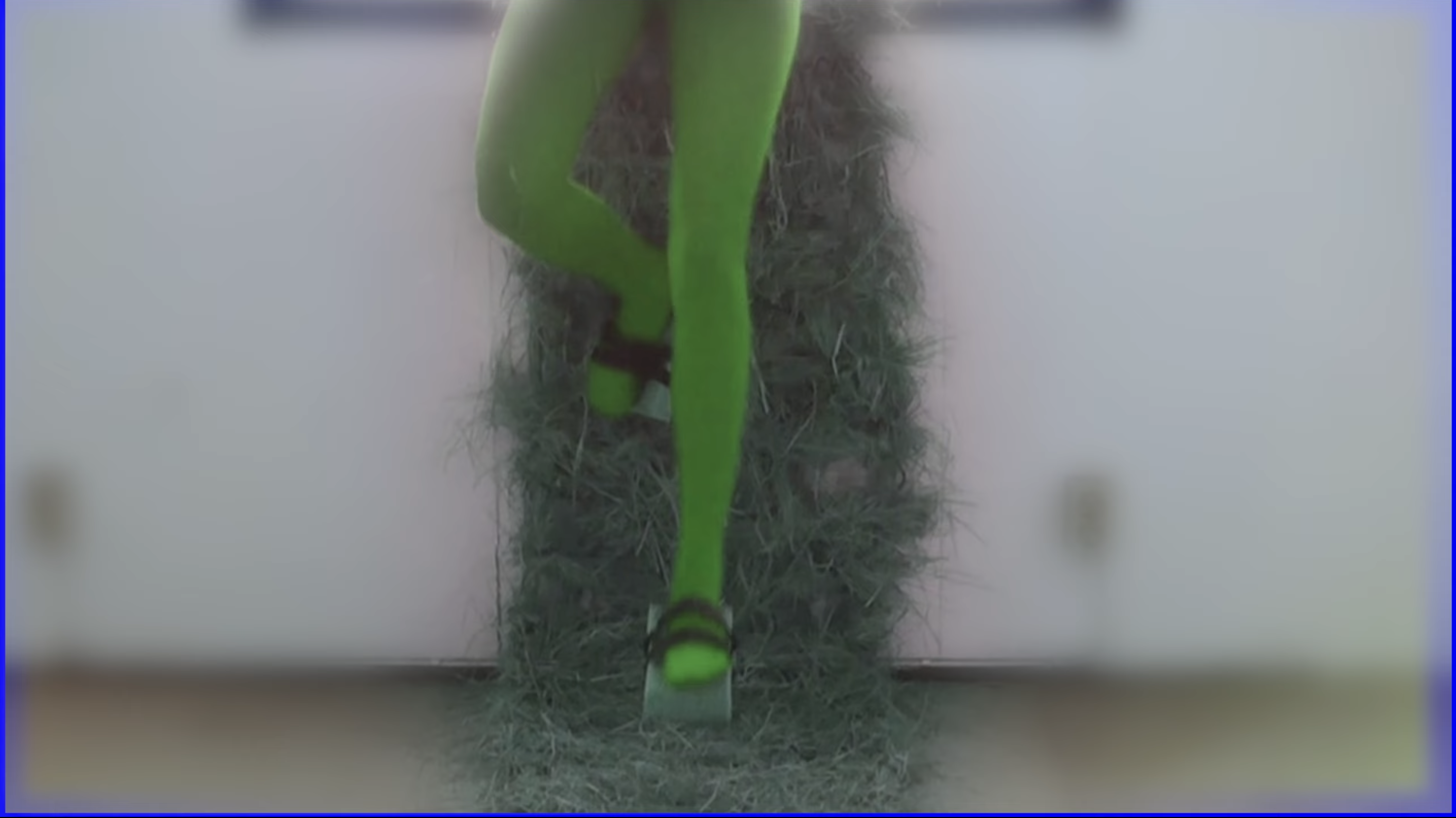
Not gonna ask too much about specific imagery, but can you give us some context about the recurring legs-on-sponges climbing through the window?
Originally there was a poetic text element split into 7-parts, so the legs jumped out as a good backdrop to that. It was Lasse’s suggestion to change the color, and I got right to work on it without knowing the text or what it all was for. At one point the legs appeared back-to-back-to-back, but we restructured them into smaller groups to act as transitions between the segments of the video. At that, the text was scrapped as we felt the legs spoke for themselves.
To speak for the legs, one way of looking at them is they are about passing through in different phases of your life, and about meeting the resources of the place with resourcefulness. Seyðisfjörður seems to offer up everything she has, all she asks for in return is our time.
Lastly, how would you describe your personal connection to Seyðisfjörður and its people?