The third edition of Kilele Summit is about to take place in Nairobi from 23 to 28 February, 2026. A COSMOS Embassy since 2024, Santuri East Africa and Kilele have become a melting pot of adventurous music and culture. Under this year’s theme, "Sound and Solidarity", Kilele returns with a vibrant conference program with showcases, installations, workshops and parties.
The gathering will hear from artists, technologists and culture workers from across the board (but particularly on the fringes). Driven by ideas and action, not metrics or marketability, Kilele is a chance to reclaim culture and imagine a better future for music and those who make and work with it. To learn more, we spoke with Kilele’s Communication Associate, Mphilo Mauncho, about the third edition of this pinnacle of Nairobi’s electronic music culture.
The third year of any undertaking is quite special. In the beginning, you’re often carried by pure enthusiasm. In the second year you try to streamline things. So how are you approaching year three at Kilele? What have you learned in previous editions, and what are your hopes and wishes for this year?
This year, we get to be a little more excited and a little less anxious. In previous years we’ve tested what this community can look like. We were exploring the possibilities of what it means to bring outliers together. And we’ve been fortunate to see our vision tested and proved. There is a desire to see yourself reflected in the art that exists around you, whether literally or by the artists themselves. And there is value in uniting diverse artists with the main goal of sharing.
The theme for this year is “Sound & Solidarity”. Can you elaborate a bit on that? How did the theme guide your curation?
In previous years, the summit was focused primarily on establishing a home base. The Kilele Summit is the first of its kind in East Africa. A week dedicated purely to the innovations of electronic music and the often overlooked intersection this diverse genre of music has on the creative ecosystem around it.
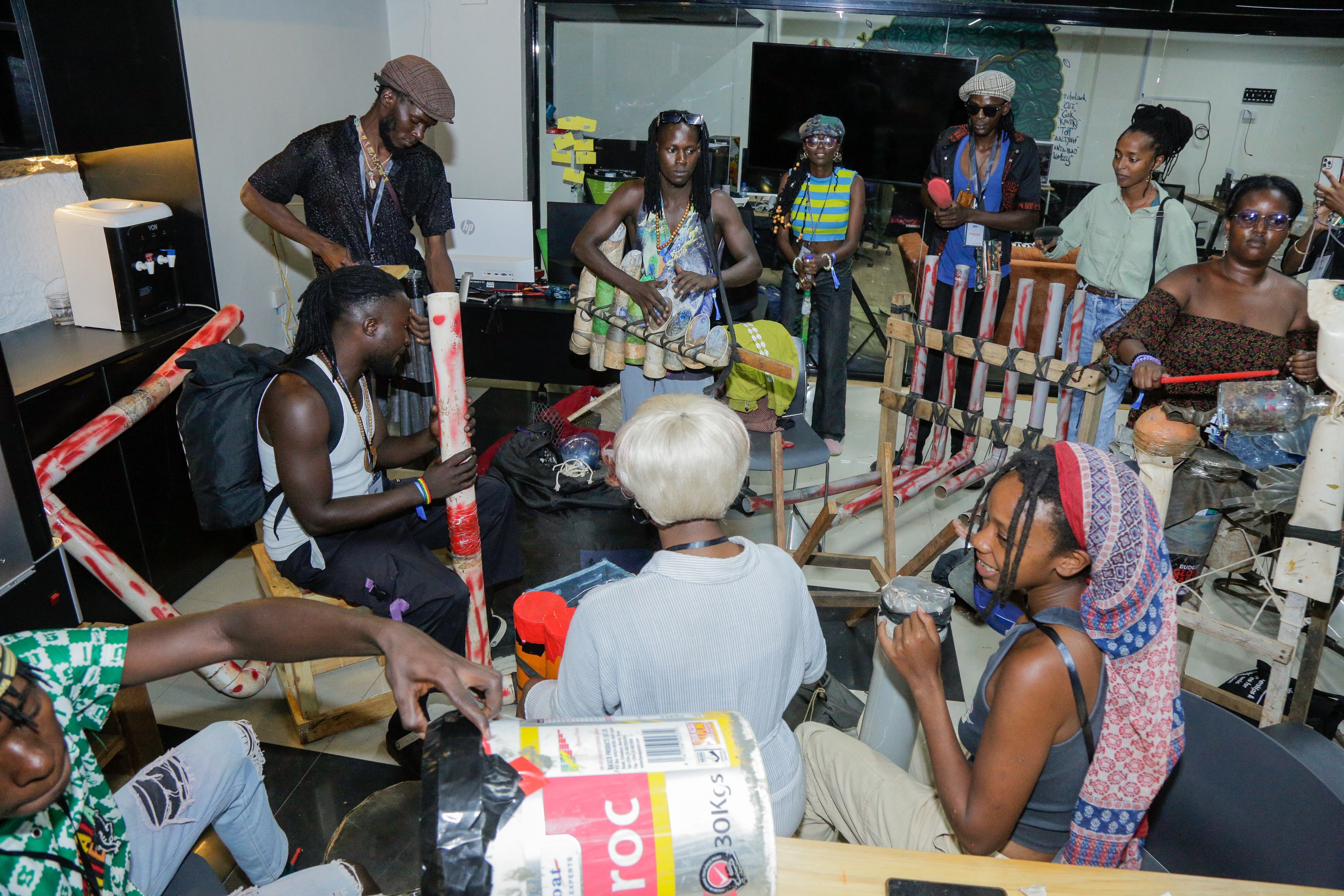
Through this year’s theme of “Sound & Solidarity” we want to hold an intentional banner and guiding idea over the summit. Kilele’s audience is often artists and technologists working on the periphery of their field, exploring despite the confusion that many in the mainstream spaces have for our discoveries. Kilele is for people exploring new approaches, fresh takes, and exciting collaborations to envision a better future and this year’s theme focuses on that. This year, we specifically looked for artists and projects that directly build links between generations, locations, technologies, and collaborative expressions, rooted in care and respect. We want to highlight the through line between music, technology and culture that brings people together.
Much has been said about The Mall & The Mist... How important are these main premises for Kilele? Are you using other parts of the city for the summit?
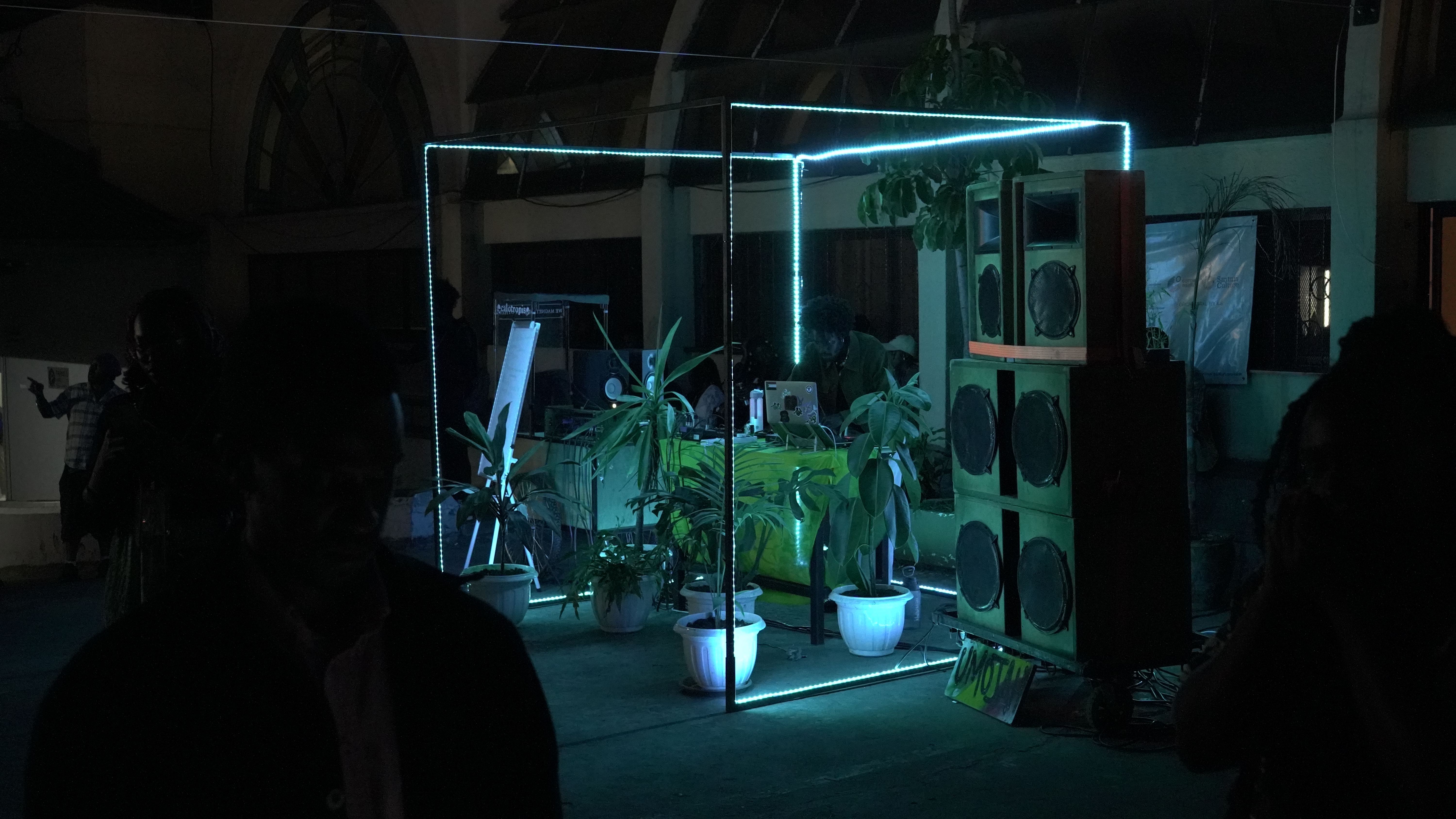
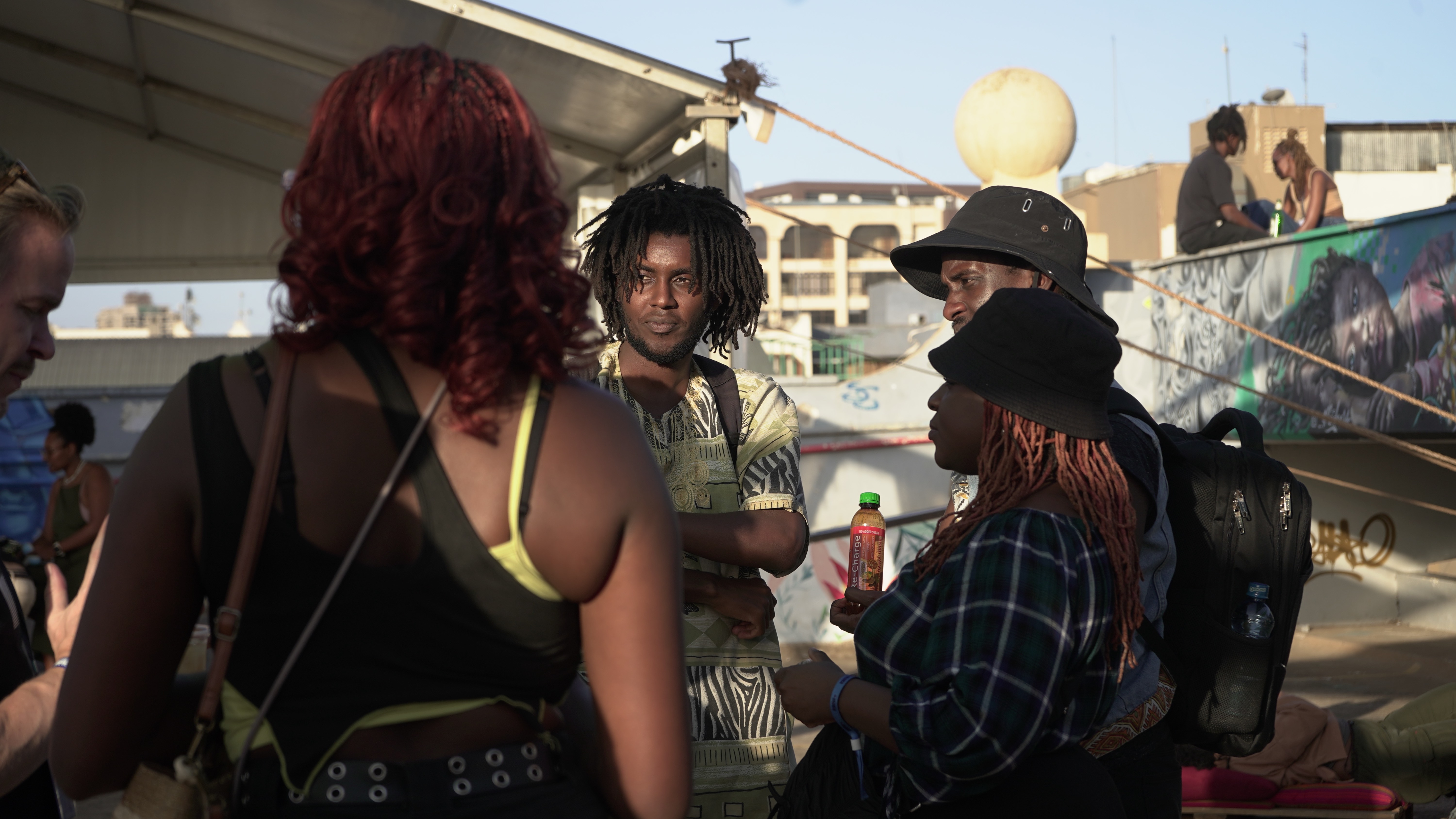
In previous years we have had a number of activities within the summit take place outside of our HQ at The Mall, a fast paced cultural hub within Nairobi’s creative ecosystem. The idea here was to immerse Kilele’s visitors who might be coming from out of the country into the culture of Nairobi’s creative scene. We have also held film screenings, discussions and DJ sets with our friends at Unseen Nairobi, a local independent cinema and restaurant in the middle of the city. This year our only event being held off “campus” will be the Wednesday evening performance of our returning guests, the Mizizi Ensemble, at a new space within the Nairobi party scene, The Rift.
The folks over at The Rift have begun as an extension of the web that connects many of the city’s alternative individuals. Whether artists or not, The Rift, in partnering with collectives and partners that have a desire to see diverse lineups and create space for many marginalized within our community, perfectly ties in with Kilele’s ethos. We look forward to hosting our summit goers for an electric performance by the powerful Mizizi Ensemble.
How would you generally describe the state of underground and music culture in Nairobi at the moment?
For the last few years the culture has been undergoing something like a renaissance. With the accessibility of production and DJ software in the mid 2010s we saw exponential growth in the scene. And many of the early players have since shared their knowledge and opened up this version of storytelling to those who may not have had the opportunity before. In the last 4 years – through the Santuri Electronic Music Academy (SEMA) and Santuri East Africa, our founding organization – over 200 individuals from across East Africa have gained the skill and ability to create whatever their minds can conjure. This has meant the community in Nairobi has had the pleasure of participating and engaging with just as many new ideas.
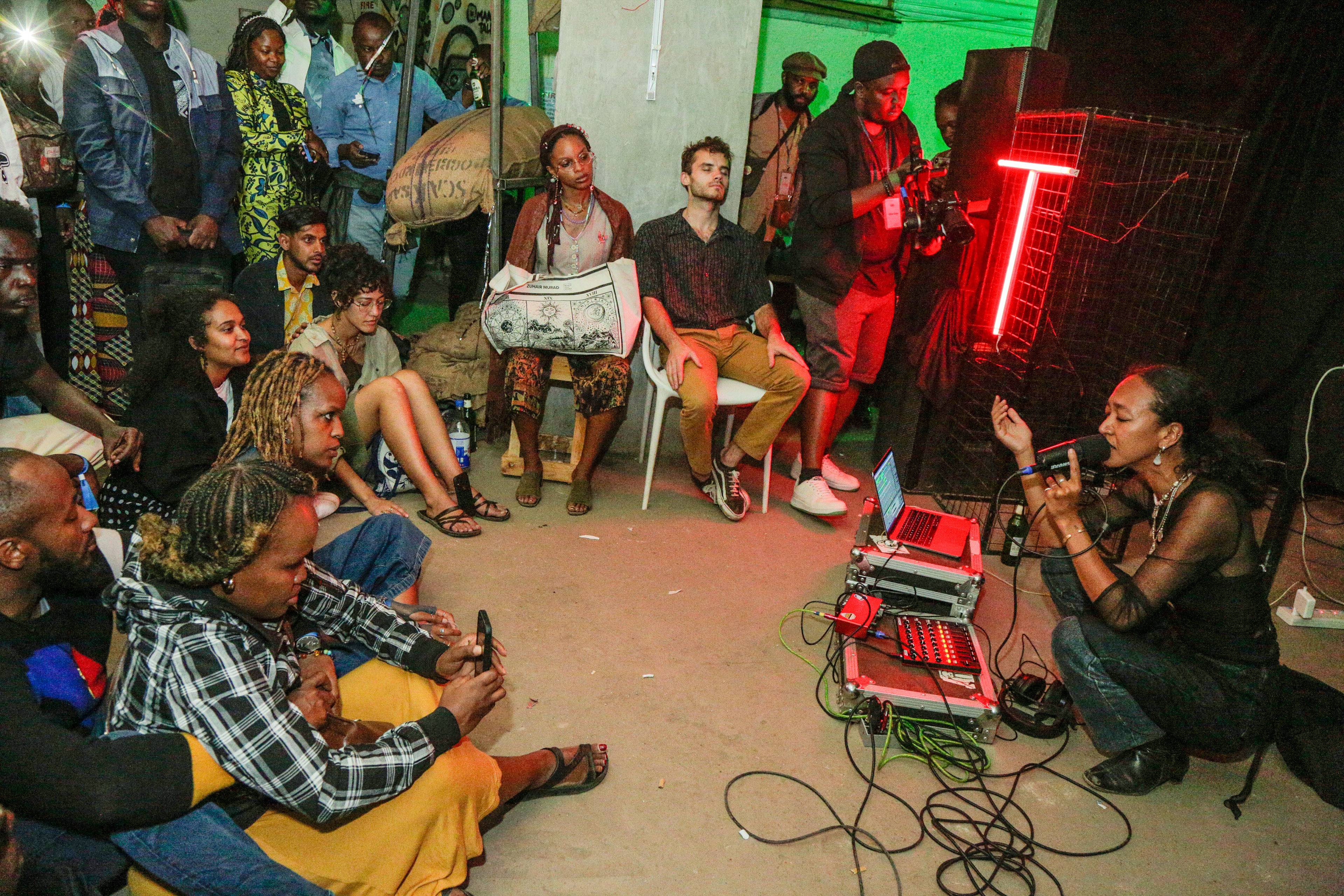
The international aspect of Kilele has always seemed crucial. Can you name some of the performers and contributors coming to Nairobi this year?
For us at Kilele solidarity looks like a communal effort to create and share ideas. Garnering ideas from within one individual creative economy would do our mission a disservice. Our international friends and guests offer those of us based in Nairobi a window into what else is possible.
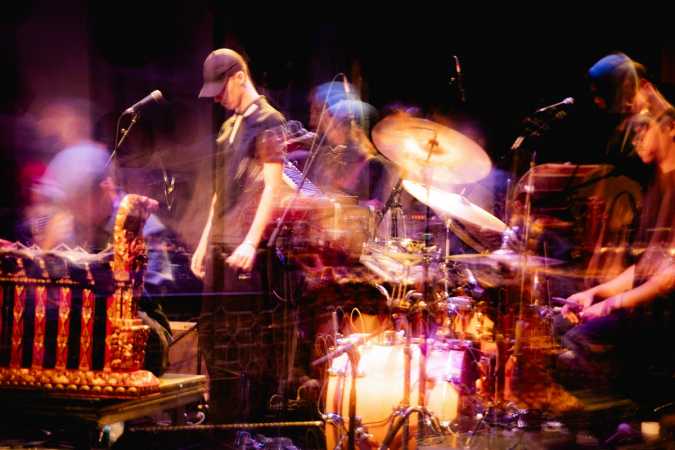
This year – through collaborations like the Mizizi Ensemble, which is an interdisciplinary-intercultural artist collective transforming sounds, movement, visuals and technology into visceral, site-driven performances, or the joint residency funded by Pro Helvetia consisting of Mehmet Aslan from Switzerland and Jim Chuchu from Nairobi called Embodied Archives – we get to first-hand see the benefits of blending different cultural identities together.
KILELE 2026 PERFORMANCE LINEUP
Mehmet Aslan (Switzerland) / Bizi Bingi (Kenya) / Black Obsidian Soundsystem (UK) / Jim Chuchu (Kenya) / Marko Ciciliani (Croatia) / Coaches, Breathren, nNje, Sarah Bitamazire, Ogutu Muraya (Kenya) / Jolie (Denmark/Tanzania) / Sammy Karugu, Basile Huguenin-Virchaux and Astrid Bin (Kenya/Switzerland/UK) / Kampire (Uganda) / KiChAkA (Kenya) / Kimina (Kenya) / Labdi (Kenya) / Lilywhite (Kenya) / Maganda Shakul (Uganda) / mau from nowhere (Kenya/UK) / MC Yallah (Kenya) / Christos Michalakos (Greece) / Mina (UK) / Mizizi Ensemble (Kenya/Australia/Norway) / mokeyanju (Nigeria/Germany) / Mxshi Mo (South Africa) / Ogoya Nengo (Kenya) / Odd Okoddo (Kenya/Germany) / Pwani Tapes - Hotkeys, Mazera, Mrezi (Kenya) / R_R_ (Latvia) / Sisso and Maiko (Tanzania) / SLY DIG (UK) / Taamuli (Kenya) / Youth (UK)
On the contrary, how do you make sure Kilele maintains a local/regional impact for the scene in the city itself?
One way would be our accessible ticket prices. Kilele has always been about opening up space in our community. Our tiered pricing means that, for the week, most people within our local context are able to experience a diverse and global music experience. Secondly, by actively highlighting local/regional talents in our main showcases but also afterparty lineups. Many of the performers in our evening parties are artists from within the community, who have the opportunity to share Nairobi’s story with our international guests.
Lastly, to those poor souls who miss out on Kilele this year – why do they absolutely need to come and experience Kilele next year?
If you are interested in broadening your perspective and being inspired by art and technology from around the world this is the place for you. The Kilele Summit is very proud to say that we are at the axis of this, as far as electronic music and underground culture is concerned. It’s a space you really don’t want to miss out on.