Every year, COSMOS - our hybrid platform highlighting independent music scenes from around the world - links up with new partners, inviting them to grant us a glimpse into their unique musical environments. We’re now rolling out the visual component of these partnerships: short but powerful mini-documentaries, by the scene, for the scene.
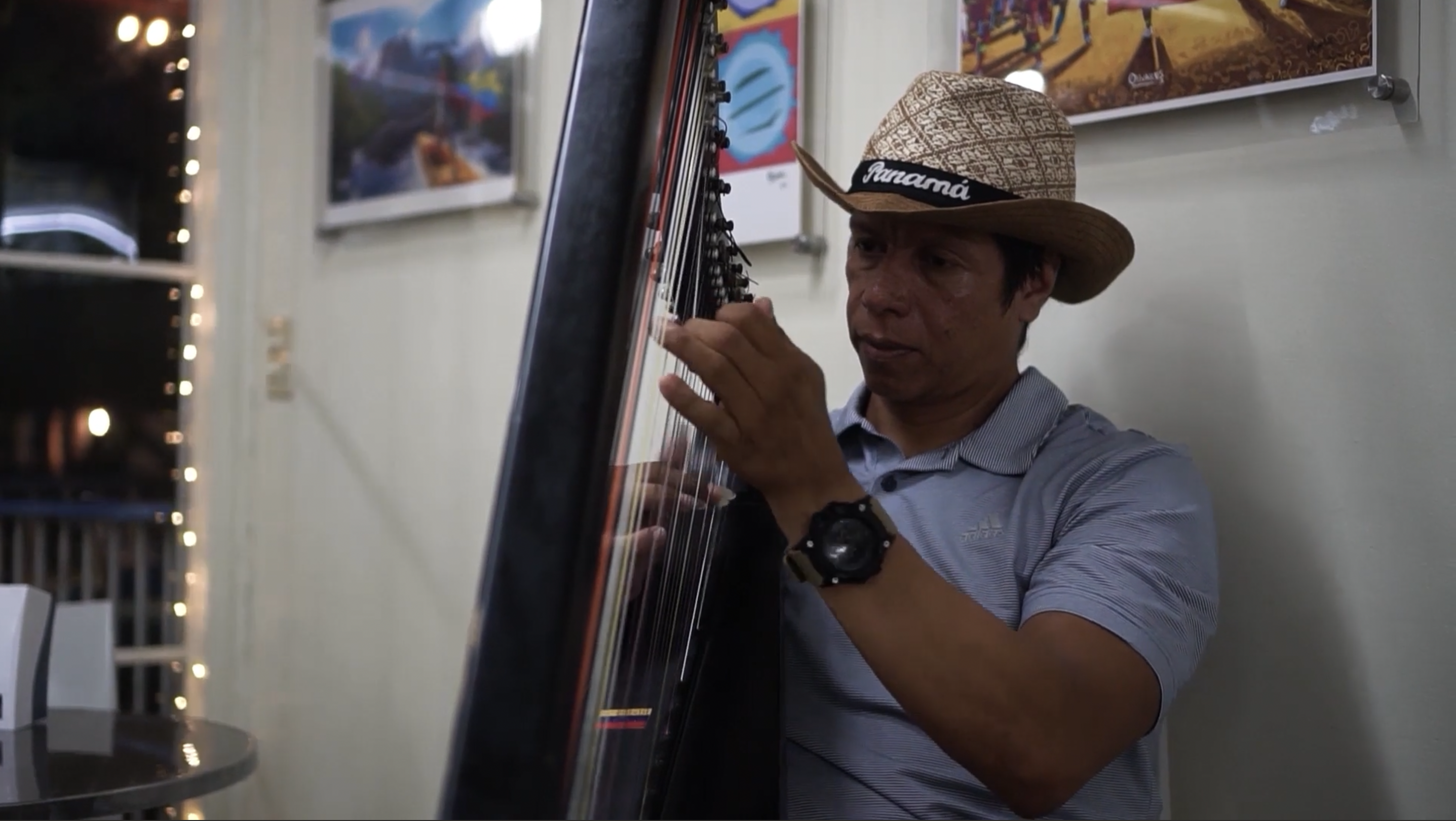
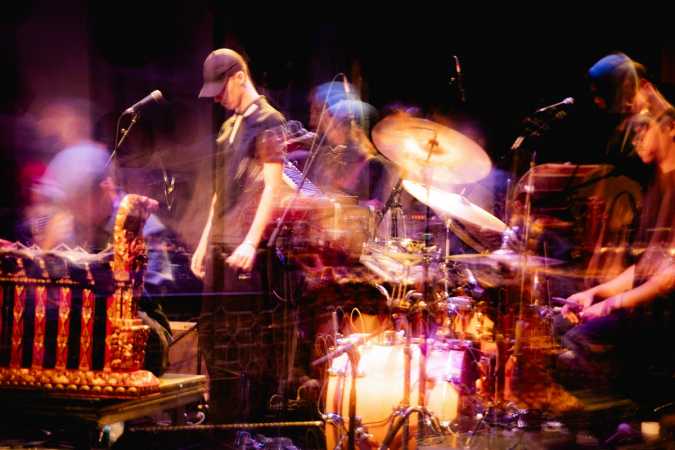
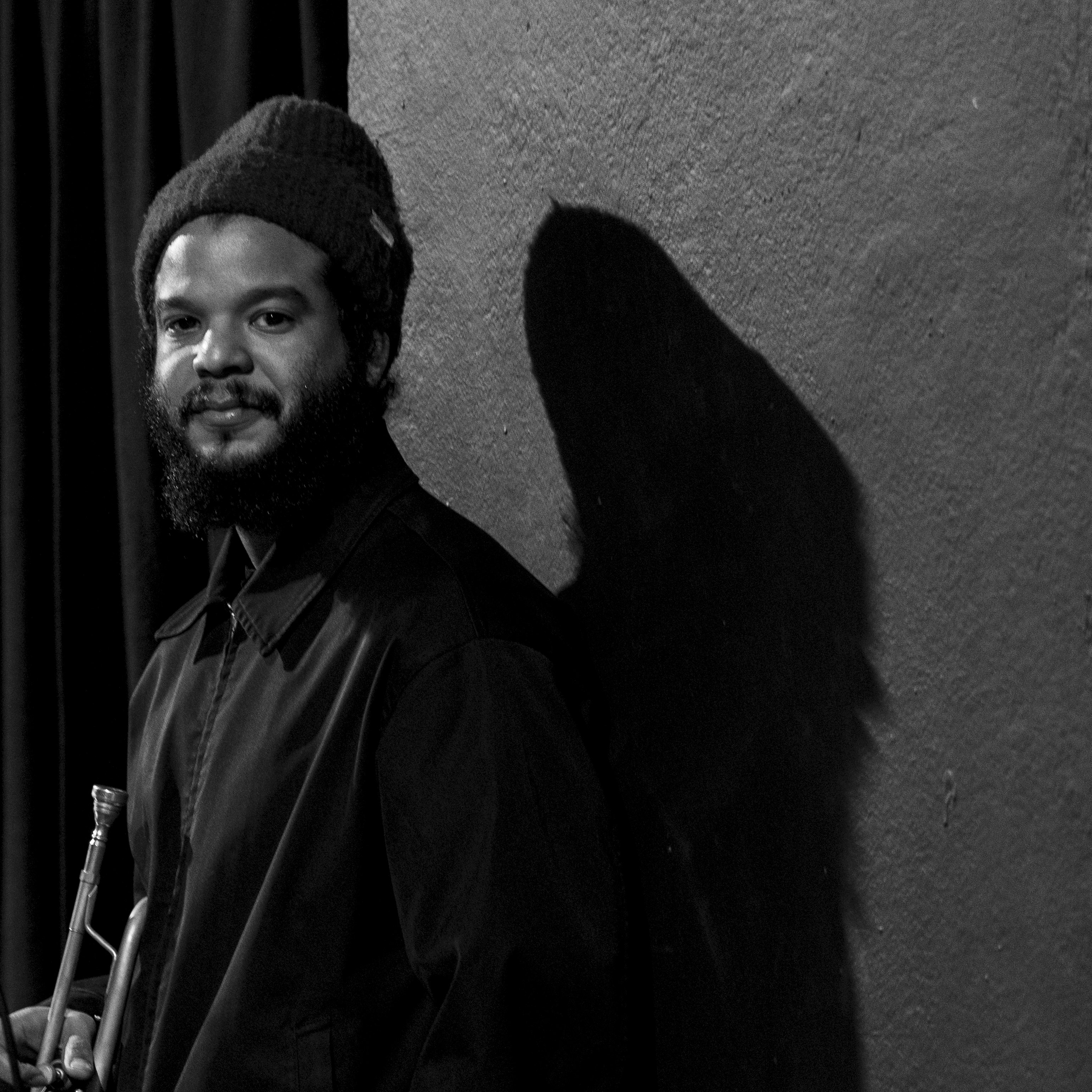
This time, we’re spending a night out in Panamá City, where we lose ourselves in the storied live music scene, meeting local legends and new acts alike. The questions below were answered by River Down Records’ founder Aquiles Navarro, an instrumentalist and performer best known for his work with Irreversible Entanglements and the International Anthem label.
When you were first tasked to create a mini-documentary about the scene in Panamá City, what was the thought process like? Did you immediately have a concept in mind?
A feeling... I had a feeling that I wanted to share.
The desire to share this feeling of exploring a place that, what felt to me, had music coming from every corner was the initial idea.
Can you tell us a little bit about the people on the ground who worked on the film?
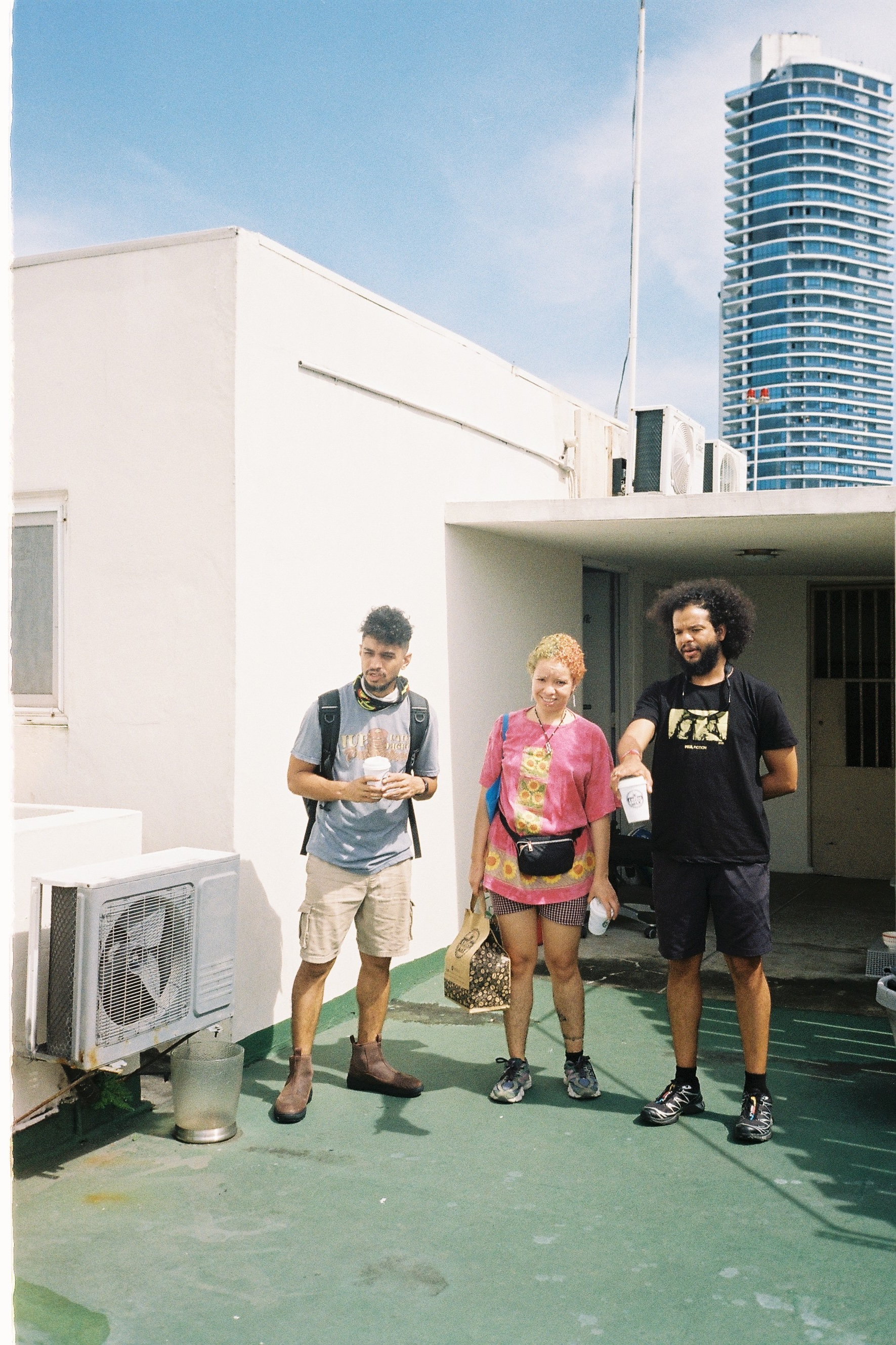
Shekina Hinestroza directed the mini-documentary and is a person who is very involved with the creative and social communities in Panamá. She has a unique sensitivity, eye, and is able to reach places and people that only she can do. When I first approached her about the project, she was immediately interested and willing to develop the idea by taking it further. She also put together the rest of the team that worked directly with her, which was Jez on editing and John on the camera. Miguel Ortiz also worked alongside on the technical aspects involving sound and the overall production of the doc. They are all very involved with the advancement of the culture in Panamá through hard work that many times goes unseen in places like Panamá.
You've lived in Toronto, New York, and you're now based in Brussels. Is it easy for you to stay closely in touch with the scene in Panamá, given how much you’re touring as a musician as well?
I don’t know if it is easy or not in terms of staying in close touch with the scene in Panamá, but I choose to stay close to the scene and to the people that make up that scene. But, as a scene that is always expanding, which I am extremely happy about, I was excited to discover new proposals and new perspectives through the lens of Shekina and her team. I would not pretend that I know everything that is going on in real time there. Although I do have a core group of friends that I stay in contact with all the time, asking questions about what’s going on and discussing what we can be working on.
On that note: Can you give us a tiny bit of context about the mission of River Down Records, as a platform for the creative sounds of Panamá?
People taking action in new projects, proposals, not for the label, but for their soul, legacy and much more. And the label is here to help.
For the film, you deliberately focused on the live music scene in Panamá – why was it so important for you to highlight specifically these performers live on stage?
I was asked to develop a mini documentary about the music scene in Panamá and I guess that automatically translated to live or alive music scene. I knew some of the performers that were highlighted in the doc, but not all. I made suggestions to Shekina in order to assist in the conception of the doc, to provide options that could help highlight the variety of sounds that exist in Panamá, but I wanted Shekina to bring her perspective and real insight on what is actually happening, and she did, depending on the contacts we had, schedules, and overall synchronicity of what was happening and what we could cover.
Any other tips for people who would like to deepen their knowledge about Panamanian music?