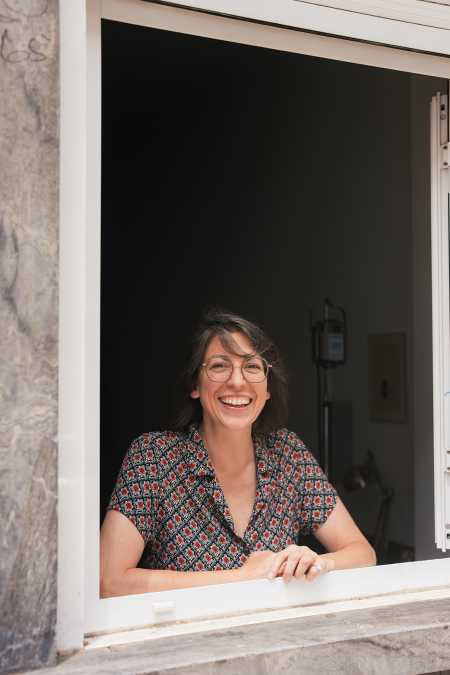
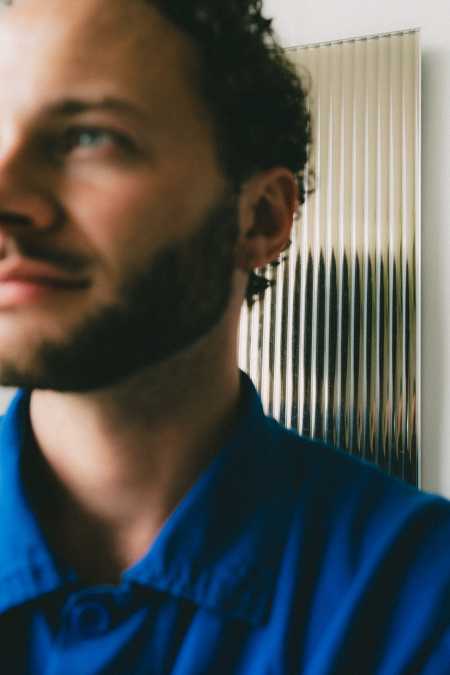
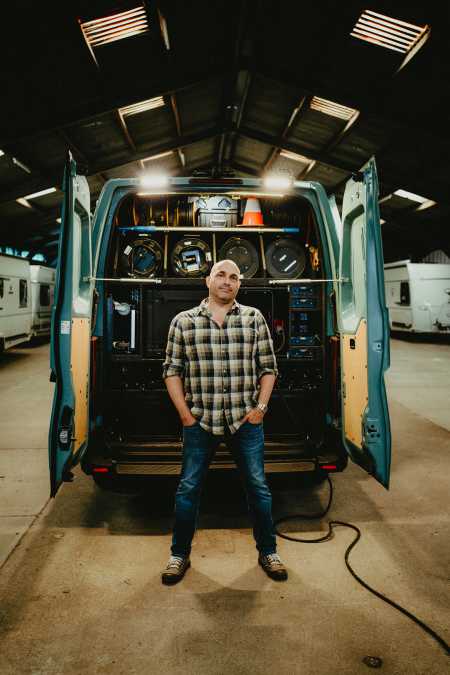
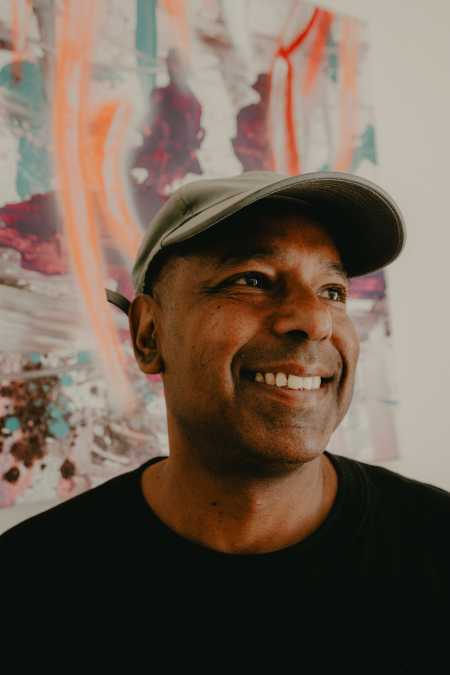
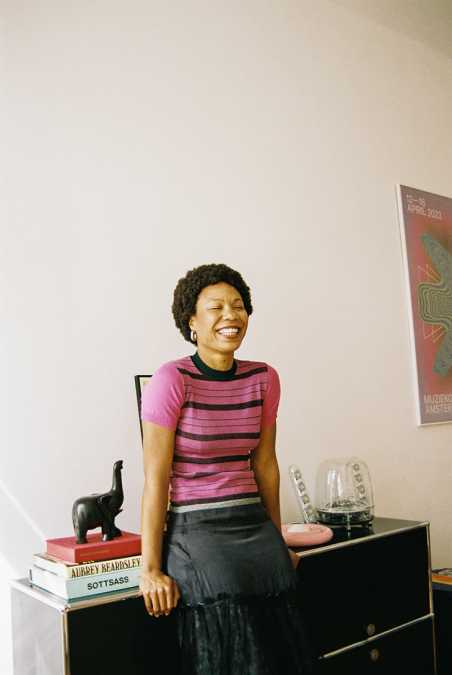
Photographers Juri Hiensch & Melanie Marsman see a side of Le Guess Who? to which most of us are never exposed. Operating almost entirely ‘behind the scenes’, they work one-on-one with the performers and personalities that populate the LGW stages, establishing a personal connection that seeks to convey a deeper layer of the artists behind the shows.
With their in-depth photo documentaries and signature artist portraits, they create a testament to the lush array of talent that passes through LGW each year, which we all get to experience as a result.
For the occasion of our 20th anniversary, we’re highlighting collaborators whose work makes what we do visible, audible and legible to the rest of the world year after year. Behind the Scenes is a series of one-on-one talks with people who have been involved with the festival for quite some time. Their contribution extends beyond one show or one edition, they are essential to sharing what we’ve created here, and we are thrilled to have the chance to celebrate them and the years of appreciation between us.
Interview by Margaret Munchheimer
Photography by Noah Schielen
For our fourth Behind the Scenes interview, we sit down with Melanie Marsman & Juri Hiensch. As they work individually but as a team, we chose to pair them together for a tandem interview that proved a fun and insightful look into how their approach has developed over the years, and what they themselves find most valuable about meeting artists where they are as people; using photography to elevate the personal alongside the persona.
How did you discover LGW, and first start working with them?
Juri: We have been doing the same work for a couple of years now, but of course, we came from a different direction and at a different time to the festival, and we have different experiences. I was supposed to start working with the festival from the very first edition, but I think I got sick or something, so my brother covered for me that year, and I've been with them ever since.
I think my work evolved alongside the festival. It has always been a platform for me to experiment, and these experiences redefine my work. So LGW has been a really important element in my life. It's been... I mean, I think it's the best festival in the world, and it's such a privilege to have this in our city. It's a genuine exploration of music from all over the world. With music comes culture, so we have all these cultures coming from all over the world, and I get to meet them and work with them, and there's so much love and energy coming from that. So it always has a special place in my heart.
I started out as a concert photographer, that was my initial job. I was a residential photographer for Tivoli Oudegracht, which was the first location. And I think the first edition might even have been a Tivoli production. Bob and Johan, the founders of the festival, were still working at Tivoli at the time, so they asked me to cover the festival. Later on I started redefining it a little bit, looking at a broader perspective; of festival visitors, capturing the atmosphere, and the things around the festival.
After 10 years, I wanted to work more up close with the artists, so I started doing more intimate stories about them in the form of portrait photos. Melanie joined a couple years later and we became more of a team from that point.
The last couple of years we evolved a little bit more into—I think the best description is "mini documentaries". So we either follow the presence of an artist or a group here in Utrecht or an element in the program, and we capture their presence more. Or, Bob and Jacob always have these ideas, these structures in the background—in Dutch, we call it the 'rode draad’ (red thread), so we try to follow that a little bit—to capture these thoughts behind the programming in a photo documentary, basically.
And Melanie, how did you get involved?
Melanie: In 2013 I started at Le Mini Who?, and my first Le Guess Who? was 2016. My roommate and friend Niels Bourgonje did the after-movie for LMW, and knew they were looking for a photographer. After three years, Barry contacted me that they were missing a photographer for a day, and from then on I was asked back every year. Which I think is one of the biggest pluses about LGW, how loyal they are. Especially in the music industry, it's so rare to have this loyalty—we are like warmly welcomed back each year.
That's a difference that you've experienced in working with other organizations?
Melanie: Oh yeah. No one's like LGW. I think Juri pretty much nails it with what he said: it's the best festival there is.
Juri: Yeah. Yeah!
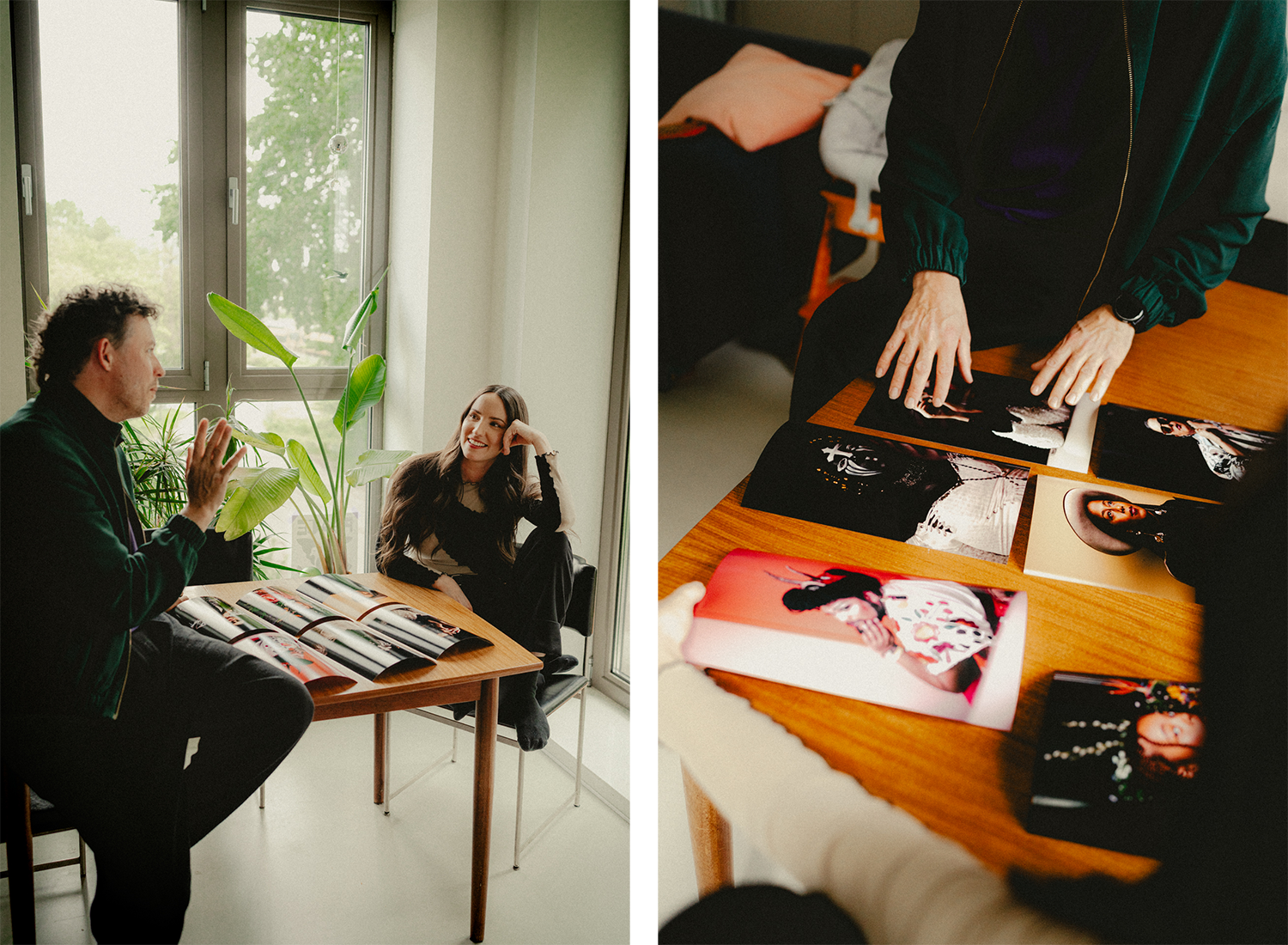
Melanie: I had met Juri at Best Kept Secret, actually. And when I saw him doing the portraits, I was like, oh my god, I want to do that too. So we started to do that together. I think it's really nice, because all these artists are so interesting, sometimes it feels like the live show is only part of the story.
What layer do you think that adds to having the portrait series and not just the show photos? What feels important about that?
Juri: It makes it more personal.
They're all very special people; they all have their own worlds and their own culture, and I think it's very interesting to capture them in a different setting than on a stage. I think the photos are also, in a way, a form of art, and when those two things come together, you have a personal story, as well as a piece of art that the festival creates. So it's a platform for art in a broader sense.
There's also so much happening. In any creative profession there is so much work that goes in that's never seen. For example, the aspect Juri mentioned with the programming, there are the red threads—so much of that doesn't really get seen or experienced directly, when the festival is happening. So it feels really important to find different ways to make that clear, all the thought that's going in.
Juri: Exactly. So last edition, I did a series of portraits of artists who are also activists, or have activism in their music. Of course, many artists nowadays speak out, as there's a lot to speak out about. But I was doubting a little bit whether we should do the series or not because to me, LGW has always been a platform for activism, and from within. Like Melanie said, it's four days of people from all over the world coming together and connecting, so it’s like a protest voice in itself, in the way they program.
I think a lot of people that come may not listen to all of this music everyday, but they love this festival because they need all of this culture—which many of us wouldn’t normally come into contact with, since we’re all in our own little bubbles here in Utrecht. This festival opens our eyes to the rest of the world.
Looking back, I think the series was good to do. I think it added something for the wider audience, because they might have seen an artist play, and still not have captured everything they stand for, everything they want to express. But I had some doubts, like: Do we need to explain this or not?
Melanie, do you see it similarly, that there's a marked difference between a typical day in Utrecht versus those four days? And what does that look like?
Melanie: Oh, yeah, yeah, I mean, I don't live in Utrecht anymore, sadly, but there is just such an openness I think, with the average LGW goer. It's like everything that's happening, everyone is just so open to it—even if they don't necessarily identify, they still want to see the shows, and they still want to hear what [the artists] have to say.
We don't see all of the line-up, obviously, but say, the one day you end your day in a nightclub, and you start your next day in a church or a mosque or a library—and you see the same people! You see each other and you’re just like, ‘Oh hi, it’s you again..’ Those things aren’t necessarily incompatible, but it’s rare to see the same people in those spaces from one day to the next; that’s the openness that I associate with LGW.
Then there's any number of musical acts with, let's say traditional dancing involved, and people start to dance along as the musicians do; it's like a wave and everyone's just going with it.
Juri: Yeah, and that openness is really cool.
How do you feel like you've seen things change? If this is 20 years, you were involved since the beginning, Juri, and Melanie, you were there since 2013—do you have any observations on the developments over the years?
Melanie: I think it's gotten more international. In 2016, I knew about like 10 names in the line-up; and then I knew about nine, and then I knew about five. Every year, I know fewer and fewer artists, but I think that's a really cool thing, because I know it's gonna be awesome either way. Juri and I obviously get into the line-up pretty quickly, because we want to see who we're gonna shoot, and there are always such cool people, which is exciting, because you never know what you're gonna get.
Juri: I think it started more Western-orientated, and it developed quite quickly into this international spectacle with all these sounds from all over the world, with artists that sometimes have not even left their own country before coming to Utrecht. For me, I think the performance of Selda Bağcan in 2014 when she closed the Sunday—she's a Turkish singer whose music was banned actually, she is a very political singer—and I remember there were all these Turkish men coming to Tivoli, and they seemed almost a little lost. They had flowers, because it's the tradition to bring flowers for the artists, and they were all there, and a little bit surprised seeing this whole festival [going on]. They didn't know about all the other music playing, but they came just for Selda.
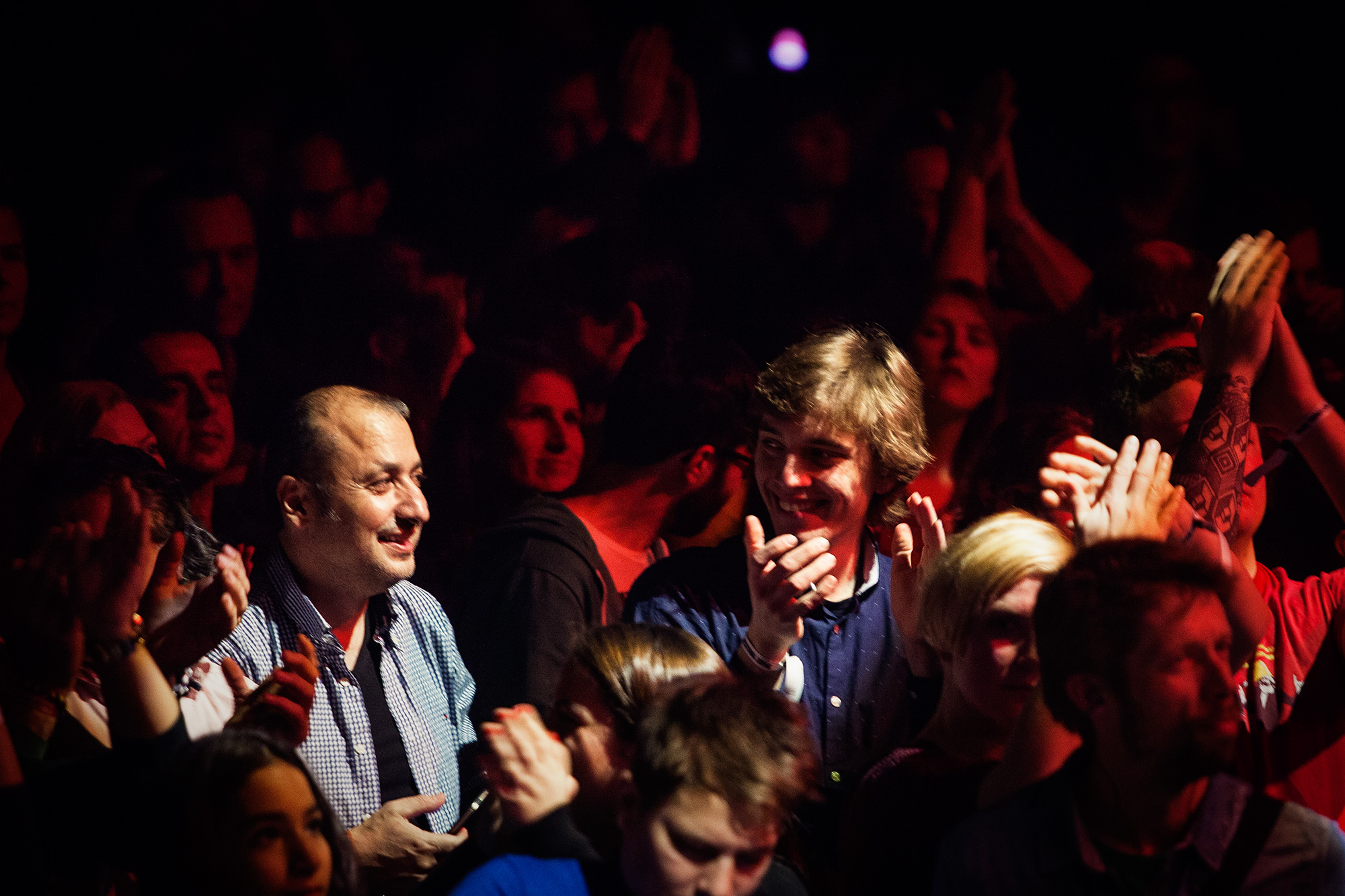
I think it’s also one of my favorite concert shots. I was on the stage next to the artists during the concert, shooting into the crowd, and you saw this older Turkish man and this younger traditional LGW visitor and they looked at each other with such joy...you see that joy in their eyes and they're like, 'We're experiencing this together,' and I think this concert was for me the game changer. The definite break with Western music as a default. I mean, there's still Western music, but after that moment, in 2014, it was not the default anymore.
And that's, I think, the privilege of the job that we do. I love it so much to meet all these people from around the world, it's always such a pleasure. There's this booker for Arabic music, Sarah El Miniawy, and I met her a couple of times because she manages artists that I was doing a portrait or documentary for, and we formed a bit of a connection. Then came the year of the Heba Kadry curation. I followed that entire curation, and Sarah introduced me to everybody. This was for me, one of the most special experiences, because I became so embedded in this whole program. There was such a connection between all these artists; many coming from Cairo, but from all over the Arab world, and I mean, I was just part of the group. We did a group photo at the end, and Heba demanded that I was also in the photo, that somebody else take it so I could be included. My heart was filled with joy.
Before that we had Junun! [Live performance of the album by Shye Ben Tzur, Johnny Greenwood, & the Rajasthan Express Ensemble.] That was such an experience.
They went out into the audience, and it was an explosion of joy with everybody joining in and embracing it, it was amazing. Mazaher also: this is a group from Egypt, they do traditional music, and it's transcendant, it's spiritual, very repetitive, but also very outgoing. And I had a similar experience there—it was in a church, and everybody was dancing, and it just became more and more ecstatic… Like Melanie was describing, you're enjoying this culture through the music for an hour, and you just get sucked into it.
How about you, Melanie, do you have some other favorite LGW moments?
Melanie: You know, those moments sound super special, and they are, but it's almost standard for LGW, it’s that wonderful—you can just count on something magic like that happening every year. Like Juri said, with [making] the documentaries we get to bond a little bit with each artist.
I remember with La Bruja de Texcoco, the Mexican artist—she’s so awesome. She was getting ready, and putting on all these layers and layers of makeup, and horns and masks...We started chatting, and she was drinking mezcal, which is my favorite. So then she started talking to me in Spanish, and because of the mezcal, I thought I could understand it all... it was just really nice. Then I had to go shoot something else, but every time I would pass by the dressing room, she was like, ‘Mezcal?’ That was one of my favorites.
 by Melanie Marsman.jpg)
How do you guys make your choices about who you're going to shoot and what you're going to document?
Melanie: Well we always check with Jacob, Barry, Zsarà and Bob, because they know the most about the line-up, and they already know the stories of each artist. I also have a moment where I check everyone out in the line-up, visually, because we do a visual thing, of course, and then we both make our own wish list and see if there's any overlap, and then most of the time, the time schedule decides it for us. Which makes it easier.
Gotcha. So, how do you handle the tension between wanting to go to shows and having to go shoot shows? (A long pause followed, in which I realize the question to have been somewhat optimistic.)
Juri: With the portraits I rarely saw concerts, but now that we're doing more documentary style, we also capture a little bit of that show as well. Especially with the documentary, you have to experience everything, and the concert is, of course, the main event.
But now we try to do less than we used to. We used to take on so much: mapping out curations and program lines, and trying to capture them all. At one point we had a series of eight documentaries that we wanted to make. For this kind of work, it's best to have some time to connect, and to be there. A lot of the time you're doing nothing, because nothing is happening, but when something does happen, when artists have interactions with each other, then you have to be there. So we decided that fewer projects, with more time for each one works better.
This comes back to what you were saying earlier, Juri, about how your work has grown and changed over the years, as LGW has grown and changed. You've found new formats to keep conveying the material better and better; and then fewer focus points, but a deeper focus. Is this something that you carry into other projects?
Juri: Yeah, absolutely.
And also this, this taking more time—I used to be very hectic. I liked to work in a hectic way, running after everything, and trying to capture as much as I can. And I think in my broader work, now I also take more time. I try to have one photo shoot a day. I try not to do two, because I want to have more time to connect with the person in front of my camera. I do a lot of portraits, and it helps people get comfortable if you take some time in advance; not just arrive, build up your setup, take the photo, and leave. I mean, you can capture, maybe an esthetically beautiful photo, but there's a deeper layer that you can reach when you take more time. For me, that's the most recent development, but there have been many before.
I'm curious, what you'd like to see, or see more of, in the future?
Juri: Bob and Jacob are always ahead, so, it's already happening, but for me it’s the multidisciplinary aspect: I mean, we've seen this for some time, with the curation of the fashion designer, Iris van Herpen, and last year with Tianzhuo Chen, a contemporary performance and installation artist, and I think this brings more to the table. I really enjoyed Tianzhuo Chen’s performance, Moyang 先祖 & Seaman 漁師. It was impressive, it's like a full blown theater production. So more interdisciplinary artists performing at the festival, different art forms, different disciplines, I would love to see more of that.
Melanie: I definitely think it's great when non-musicians curate. I also love dance and it's great to photograph as well. Some musicians do traditional dances as well in their performances, so it is already happening. But just more dance.
I was curious if you had any thoughts on the LGW community—if there is such a thing, and if so, like, how would you recognize it?
Juri: I think the beautiful thing is that it's open to everybody. Of course, that's maybe an easy, cheesy way to define it, but that's it. And it's also very much a human interest festival, about social and cultural exchange. I mean, you don't go there to listen to your favorite band, but you go there to be surprised, and to get social interaction, to meet people, to discover. You're traveling...traveling all over the world—in Utrecht.
Melanie: It feels like that, yeah!
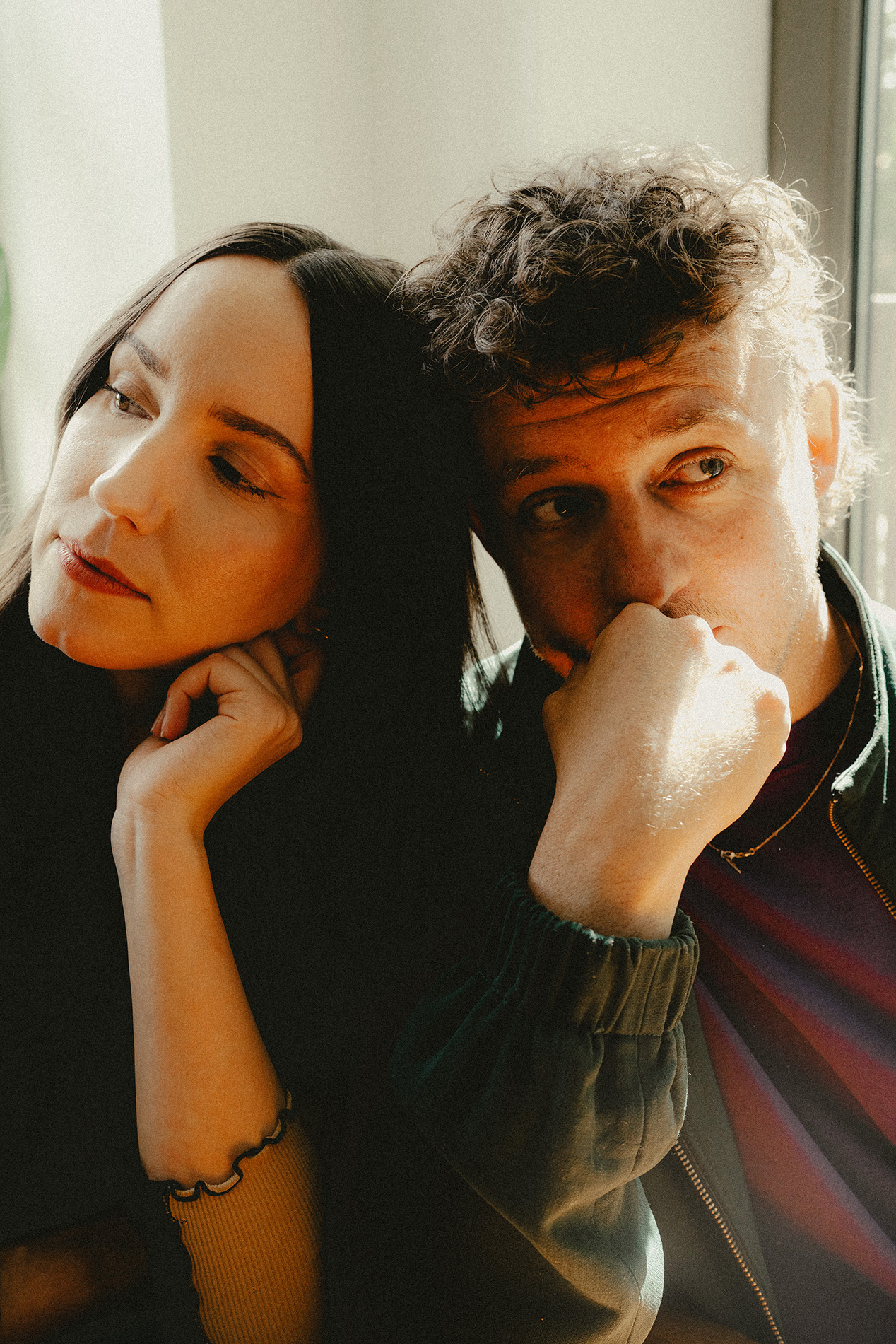
See more of the work by Melanie and Juri in our Photo Gallery.