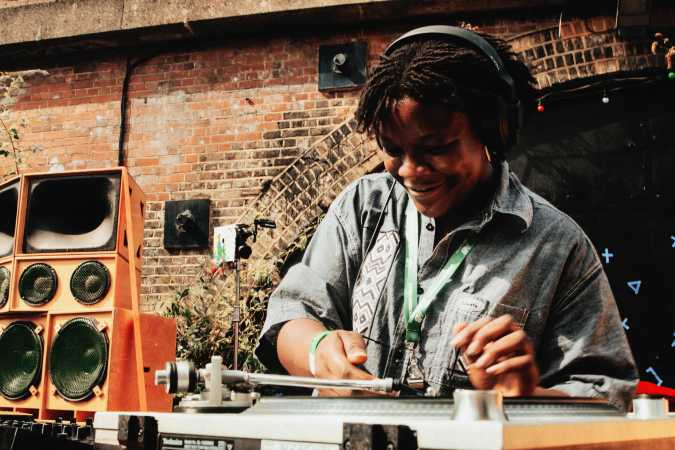
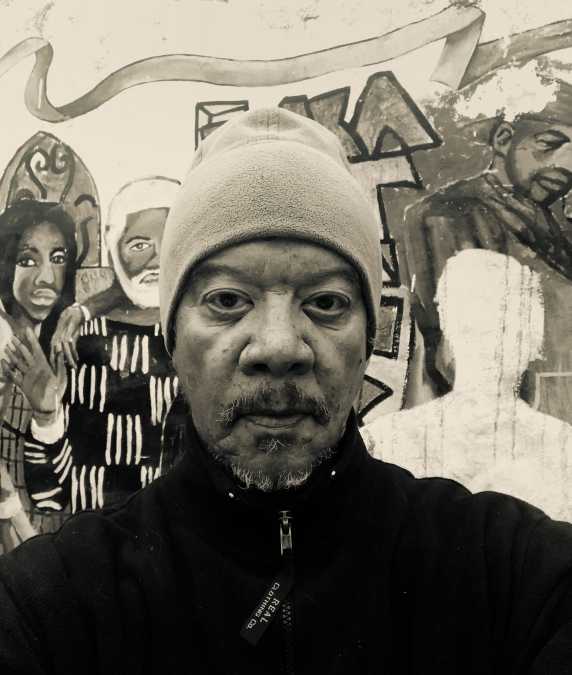
bié Records is a Beijing-based label exploring what it means to be a listener in today’s international context. Led by Chinese underground music veteran Meng Jinhui, the label aims to give musicians equal space to speak up and fully express themselves to, in their words, "allow music’s natural sense of fun and spirituality to move beyond established global conventions".
We link up with Meng to learn more about his lifelong journey to find new sounds, and bié's mission to create cultural conversations through music.
For those unfamiliar with bié Records, can you please give us a brief introduction to yourself and the different activities of the label?
Hi, this is Meng from Beijing. I've been running a media and cultural company called YSYS for the past 15 years. We used to run the global media brand VICE in China, before moving on to build our own brand, BIE, in 2019. bié Records is our independent record label.
I see bié Records as more than just a label. It's also a small music community and a way for us to connect with artists and scenes in different parts of the world.
Besides releasing records, we also run our own music media platform and organise festivals, live shows and other cultural projects. So music is really at the centre of a wider network of people, ideas and activities.
However, your own story as a music professional began long before bié Records was born...
I started simply as a music lover. Discovering new music has always been a very natural and ongoing part of my life.
Over time, I became more deeply involved in the industry, first working with artists and in artist management, and later building my own company. My work eventually expanded beyond music into media, culture and creative projects, but music has always remained one of the most important parts of what I do.
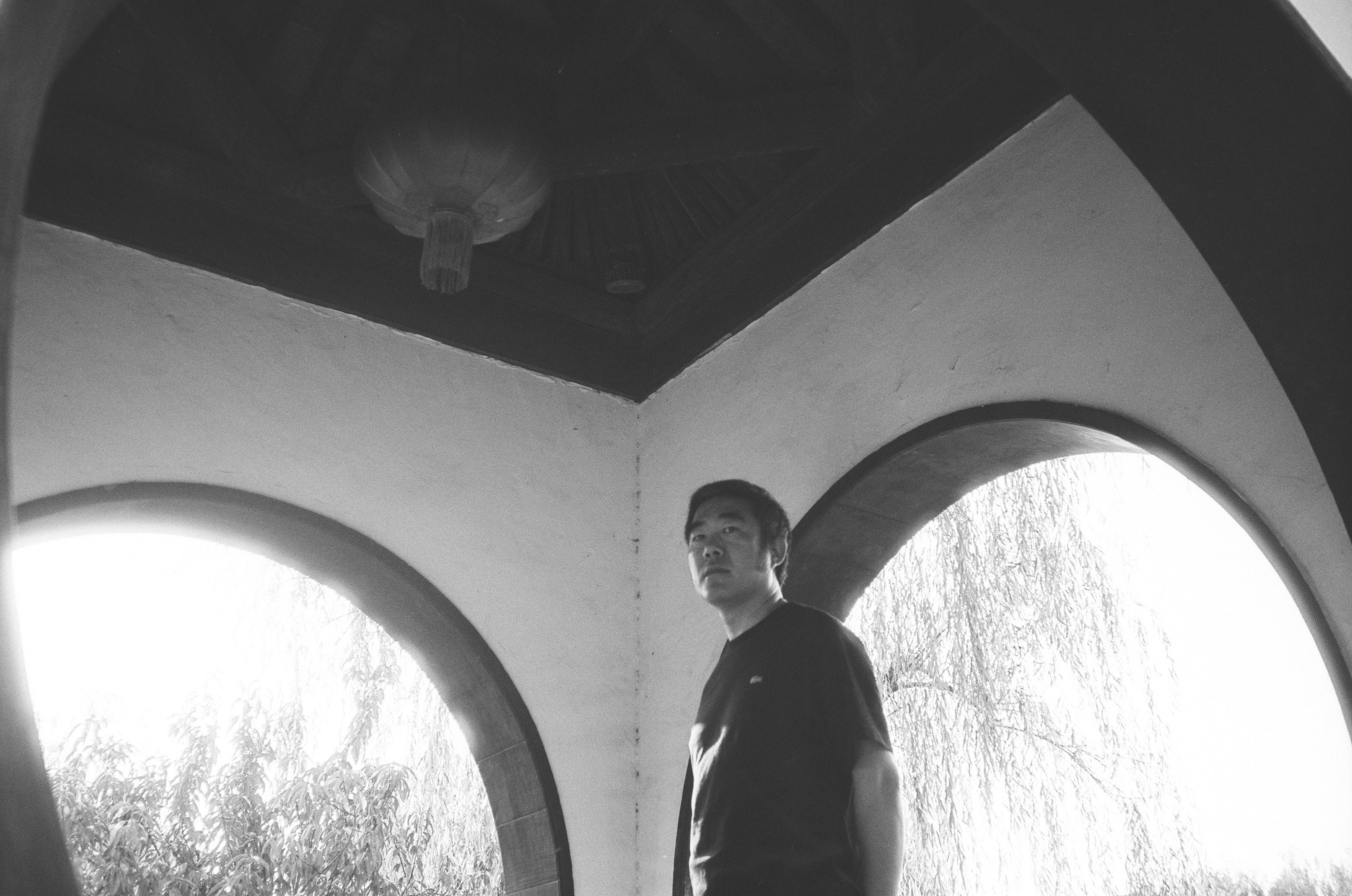
Throughout the years, what have been some major changes in Beijing's underground music? Who are some of the key artists and styles that people should start digging for when they want to learn more?
If you go back to the earlier generations, artists like Cui Jian, Dou Wei and Tang Dynasty were hugely important. By the late 1990s, bands such as Supermarket, The Fly and NO were already shaping a new generation of Beijing's underground music scene. In the early 2000s, bands including P.K.14, Re-TROS and Carsick Cars went on to define another important chapter in Beijing's independent music culture.
Later, electronic and experimental music became increasingly important, with artists such as Sun Dawei, Shao Yanpeng, me:mo and Howie Lee exploring very different directions.
Of course, this is only a very small selection. And once you look beyond Beijing and into the rest of China, there is an even larger and more diverse world of music waiting to be discovered.
More specifically: for bié Records, how would you recommend people start digging closer into the bié catalogue? Are there any milestone records we could start with?
Our first release was Yu Su's debut album, Yellow River Blue, and I think that's a good place to start. It's a beautiful record and, in many ways, represents how a younger generation of Chinese electronic artists can be part of a global music conversation while still developing their own voice.
Another important release for us is the compilation Long May the Water Flow: An Enduring Discussion on the Convergence and Co-evolution of Eastern and Western Music, Sparked by Chou Wen-chung's Musical Philosophies.
That project represents many of the values that are important to bié Records. Inspired by the Chinese idiom 源头活水, which refers to a source of fresh, continuously flowing water, and inspired by the work of Chou Wen-chung, one of the most important figures connecting Chinese and Western contemporary music, we invited nine pioneering musicians from China and around the world to explore new ways of connecting through music.
What would you say is the most popular sound with young, adventurous music enthusiasts in the wider Beijing area at the moment?
Beijing is a very big city, and music communities are quite spread out, so I don't think there is one particular sound that represents young, adventurous listeners at the moment.
So rather than one dominant sound, I think curiosity is probably a better way to describe the current moment. There are lots of smaller communities doing very different things, and people are increasingly open to moving between them and discovering something new.
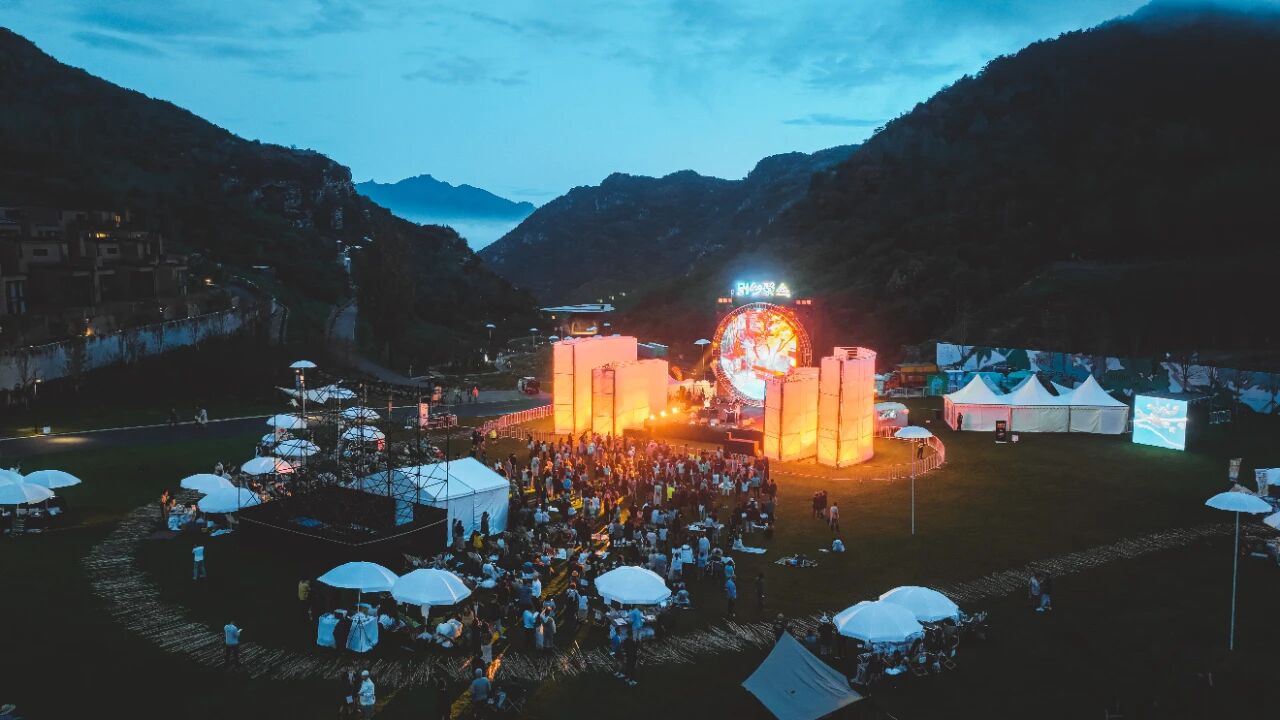
You created an amazing mix for COSMOS x Refuge Worldwide that is about to drop. Can you tell us a little bit about the selection you've made for the mix?
All of the tracks in the mix are connected to bié Records in different ways. I wanted the selection to give listeners a quick glimpse into the diversity of the artists and music around the label. Most of these artists will probably be new to international listeners, but each of them has their own world and much more work worth exploring.
Are there any helpful resources you could recommend for people outside of China to read/listen to/watch if they want to engage deeper with Chinese subculture?
This is actually quite an interesting question. We have access to more information than ever before, but at the same time, because the internet and social media have become so fragmented, it can sometimes be harder to get a diverse and meaningful picture of another culture.
Language is obviously another barrier, and that makes it even more difficult for people outside China to understand what's happening here beyond the most visible stories.
That's also one of the reasons we started bié Records in the first place. Hopefully, music can become a starting point for a deeper conversation and eventually lead people to discover much more about the culture around it.