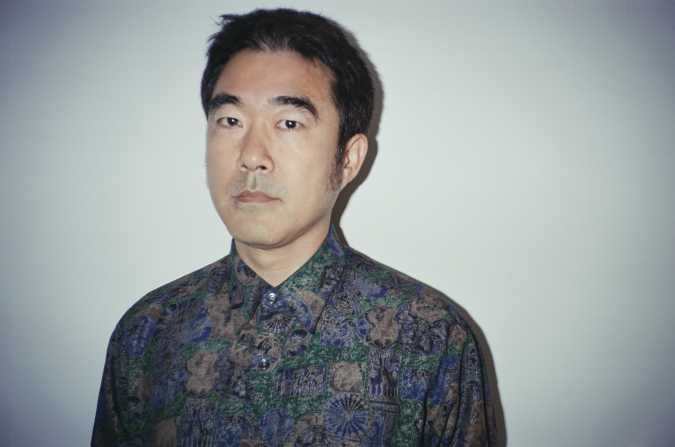
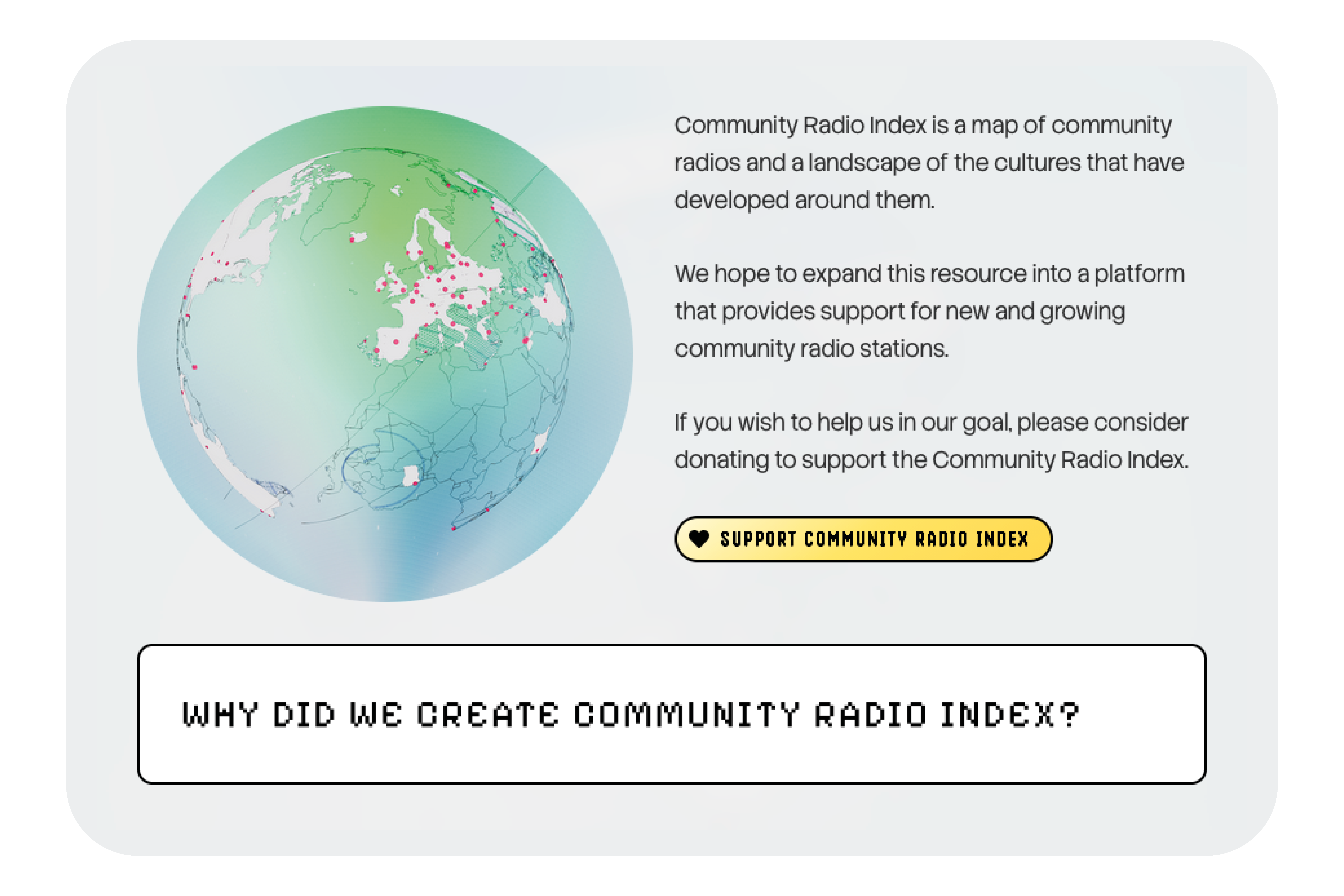
The Community Radio Index is, in their words, "a map of community radios and a landscape of the cultures that have developed around them." With the launch of this globe-spanning directory, Michail Stangl (AKA Opium Hum) and Robert Jurewicz (AKA Robbie Makes Radio) have channeled their love for community broadcasting into a dynamic resource that steadily keeps growing. Here, Michail Stangl shares the details behind this passion project.
Michail, people in our circles might know you as DJ Opium Hum, as a programmer or presenter. How did you end up with this side quest of putting together the Community Radio Index? What was the urgency behind it?
Ultimately, the need for the Community Radio Index came out of the realization that, to our knowledge, no such resource existed.
I was recently asked about my favorite online community radios by a number of people. This came out of a conversation around alternative economies and ecologies of archiving and creating communities around music. People were wondering: Now that everything is corrupted by private equity, where do we turn to for exploration? And there's a plethora of practitioners, cultural workers, that do a tremendous amount of work of bringing their communities together. But strangely enough, nobody has yet created a kind of meta community to highlight where these things are actually happening. So that was the first idea: let's see what's out there and find a way how to display it. Simply to allow people to dive a little bit deeper.
The issue with a lot of this is that the results are currently happening on platforms that limit our ability to discover things.
So, we just aimed to create a visibility layer for the work that is already being done out there and make that work as accessible as possible.
In your own personal experience: While everything seems to be falling apart in terms of the music economy, community radios are actually thriving. Why do you think that is? What is their unique appeal?
If you look at community radio, and radio in general, it is the exact opposite of where media systems are currently heading. As a medium, they are long form, linear, and they require active engagement by the listener.
A lot of the community radios usually come from underground music community adjacent structures. Not all of them, obviously, but the contemporary definition of it is usually a group of a local community—an underground music community—building a shared infrastructure. The media system is slowly… not collapsing, but there's less and less independent media that covers music culture in all its variety. So people start to build that infrastructure themselves. Most often, community radio stations start out of the necessity to provide a hub for something that's already happening in a particular area in a city, a neighborhood, a country. And then to help everyone who participates in that to disseminate and build visibility. Often these things are not being built just so things can be documented and seen locally.
There is something about a radio station that engages with music more in-depth and in more principled ways. I think this is not only admirable, but also a necessity. We need to maintain this antidote, this alternative infrastructure to what's happening right now in the spaces that are completely run by corporate media.
In a way it’s comparable to the local impact of record stores, which are often the only stores left in bigger cities that have some kind of regional sensibility, regional expertise.
Yes, of course!
And this is the beauty of radio. It still has that “Aha!”-moment where you listen to someone else's map of ideas of music, and they manage to surprise you. It gives you an incentive to stop what you're doing and get proactive about finding out what is it that you’re actually listening to—or it always remains a mystery. You return to a certain show over and over again, just because it offers an alternative.
Yes, it requires a form of commitment—definitely by the volunteers and the people who build it, but also from the audience.
Yes, and with both in mind, we're going to expand in terms of what the functions of the website are. The next step is to create visibility for the people that actually make radio culture happen: all the hosts, all the shows, all the participants.
Right now, a lot of the work is not visible at all, because the stations usually operate really on the bare minimum of resources and finances. Which means they're often stuck in a continuous loop of producing new work, but there's very little time to actually do anything after the shows have been published. Which means the individual hosts are the ones that have to do that work, so the majority of shows are buried in SoundCloud uploads or the individual hosts fairly small personal platforms. And that means they may never be discovered.
Taking one step back: After you detected the importance of such a directory, how did you practically go about building it?
I was very, very lucky to do this project with an incredibly gifted developer, Robert Jurewicz, who has been building infrastructure for community radios for years. For instance, he's been maintaining the technological framework that Hong Kong Community Radio operates on, which is one of my favorite community radio stations.
Robbie and I've been in touch for a number of years about our shared love for all things radio and music culture. I am also lucky to have a bunch of followers in my own music community, Hyper Real Radio—which used to be a radio show, but it's not anymore. So I basically asked people to crowdsource info about radio stations worldwide. I shared little forms with quite a lot of data points. I had a rough idea of how to build such a thing, even though at that point, I didn't know how to build it quite yet. And then Robbie reached out and we tackled it together.
I would assume that this kind of like dynamic crowdsourced structure was also the idea, right? Like you just start with a certain amount of names that you know about and then people start finding this and shout, "why is not radio yada yada on there?" That's how it grows, right?
We just asked people to submit things. Unfortunately, people are notoriously bad at submitting good data. So I end up cleaning up a lot of the data myself. By now I have visited every station's Instagram profile and social media profiles and just make sure that this is all. But that is the nature of such things.
How do you actually fund the project?
Sweat and tears. So far we've received 16€ through the donation button. If Robbie and me ever meet in person, we might buy a pizza to share from what we've received so far {laughs}.
Right now this is just an additional task that has to be done day-to-day. We don't have any idea of how to monetize it, nor do we think this will ever be the case. But because there's so many things that people would want us to do, it would be incredible if we could do it in a way that allows gives us a bit of freedom.
Ultimately, too many volunteers can also a become a little bit of an issue, you know. We need some kind of continuity, just because, within a week, the necessity of the platform has become clear. Now we have a responsibility and we want to we take this responsibility seriously. So the work needs to be done with diligence, and that means that we need to have a certain scalability in the process.
It's just Robbie and me right now, but I do hope that we'll be able to add a few people that might help us to at least with editorial things. But currently, no money is being made, and everything is being paid up from our own pockets.
You just mentioned the necessity for this platform has been proven within a few days. People seem to have responded overwhelmingly positive and also surprised that something like this has been built out of nowhere. How did you experience the feedback so far?
One thing that I found kind of surprising is how little organization and connection there is amongst all the radio stations themselves. There's only a couple of professional networks that represent snapshots of the community radio landscape.
To be honest, to my knowledge ICRN (COSMOS Embassy in 2025) is literally the only one right now. Then there's also a big WhatsApp channel with a lot of community radio people. But the further south or east you go, the less these stations are integrated in networks. There's also Signals2Noise, a community radio festival here in Berlin, organized by Cashmere Radio.
To be honest, I always assumed that these people, they all know each other, because we all do kind of the same music thing. But that's not the case. So we're also trying to figure out what the right format would be for that—whether it's a group chat, or a forum... Eventually I would love for this to turn into some sort of annual conference, but that obviously requires completely different funds and infrastructure.
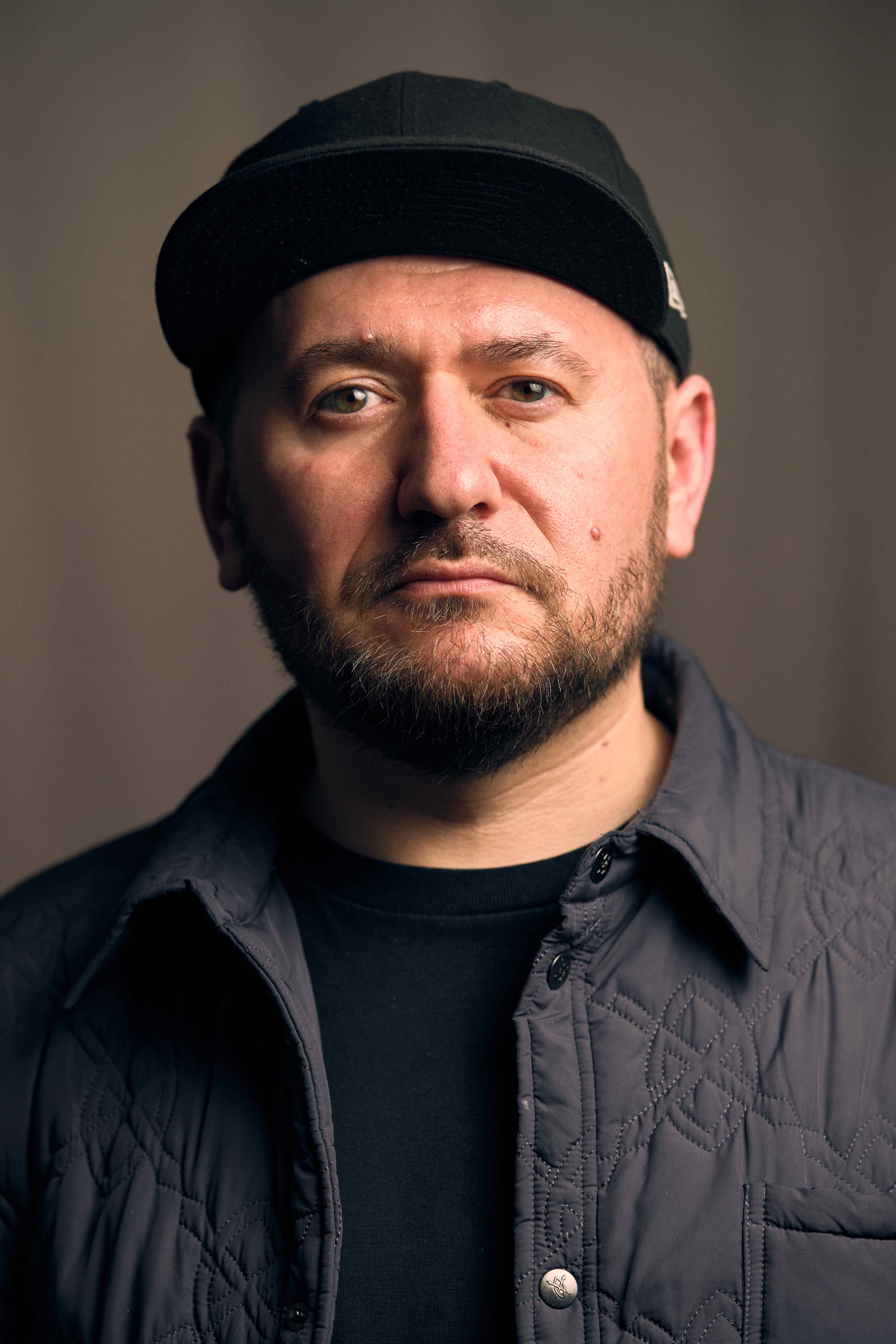
Michail Stangl AKA Opium Hum is a Berlin-based DJ, presenter, programmer, and the founder of the long-running online community and Berlin party series Hyper Real.