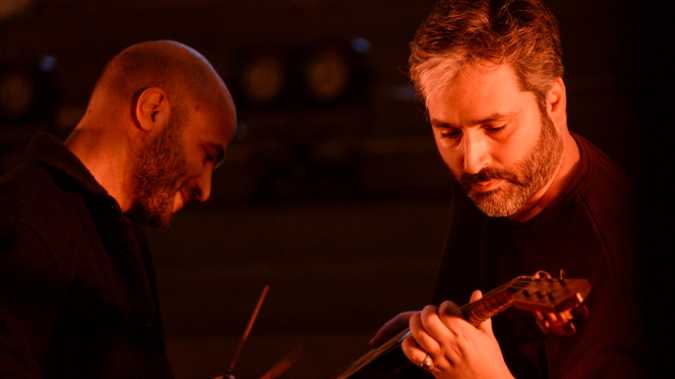
For the opening night of Le Guess Who? 2026, we invite legendary outfit Ibex Band, who have played a central role in defining the sound of 1970s Ethiopian music, modernizing traditional rhythms and arrangements into a contemporary form. In 2025, the band resurfaced their long-lost, influential album Stereo Instrumental Music (1976), which played a pivotal role in the band's legacy.
With Giovanni Rico and Selam 'Selamino' Woldemariam at the creative helm, Ibex Band (later evolved and renamed Roha Band) provided the musical backbone–as producers and backing band–for many popular musicians, including Aster Aweke, Girma Beyene, Tilahun Gessesse, Mulatu Astatke, and Mahmoud Ahmed, shaping modern Ethiopian music as we know it today.
With a rich blend of Ethio-jazz, funk, soul and hypnotic pentatonic melodies, Ibex Band helped in defining the seventies as a golden age of Ethiopian music. However, the notion of a golden past privileges the role of Western explorers and suggests that the pinnacle of Ethiopia’s musical culture is something only a foreigner can appreciate and unearth, downplaying the complexities of Ethiopia’s culture and history. Therefore it underestimates the constantly evolving sound that has followed.
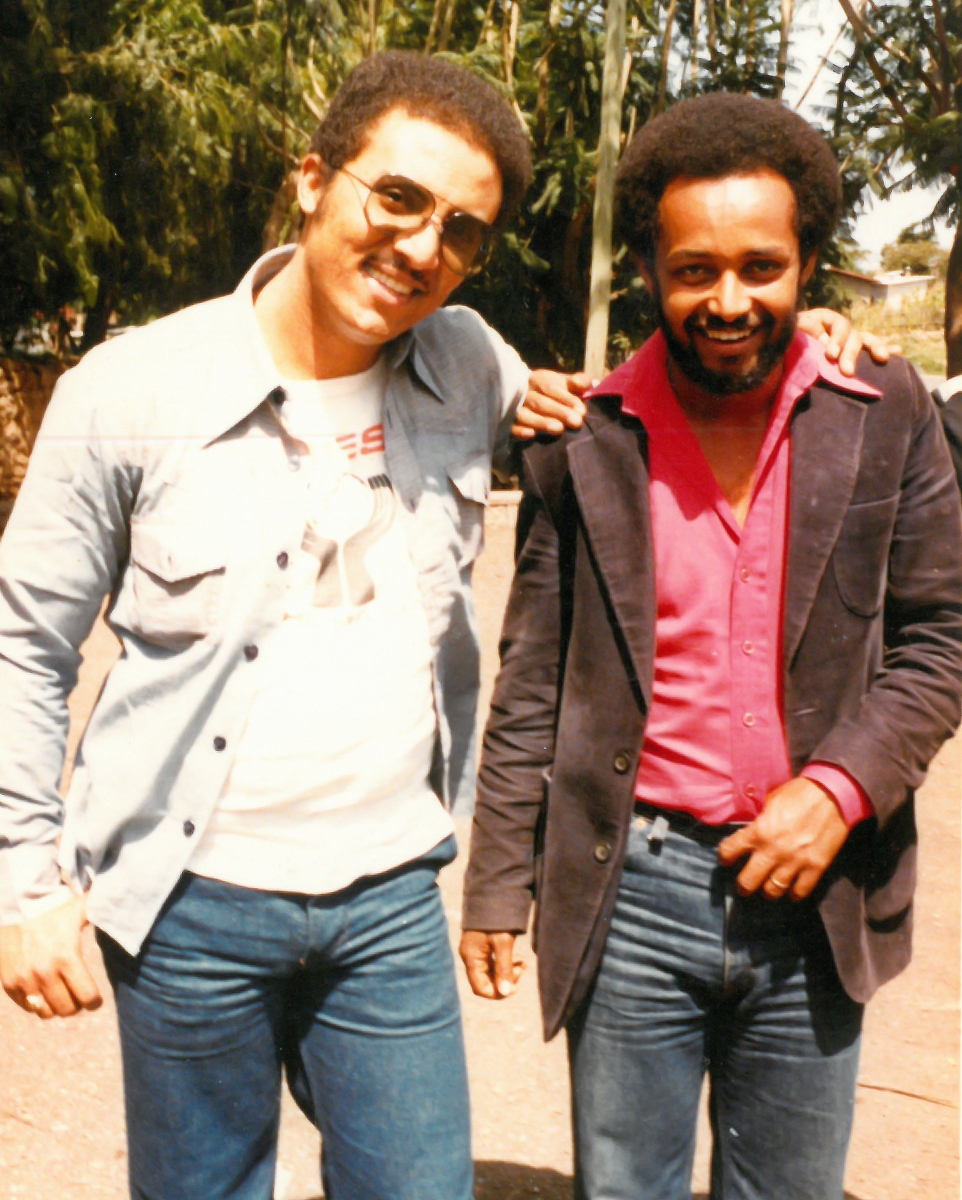
Two misconceptions plague the image of Ethiopian music, one is that the music is pure because it is, by some notion, unexploited, the other is that it is all traditional. To begin with, a combination of political changes between the late sixties and the mid-nineties created an environment where only the most dedicated and skilled musicians struggled on and pursued a musical career against fierce odds. Rico and Woldermarian are foremost responsible for modernizing the 6/8 chickchicka rhythm to a contemporary form.
Selamino’s contributions serve as a metaphor for those of the whole band, at one and the same time creating and defining a new, danceable and updated sound anchored in Giovanni’s bass, whilst also elevating the broader scene through their support for others artists around. Throughout it all, they increased the understanding of the music.
, Courtesy of Selam Woldermarian.png)
There is an understandable desire to romanticize the musical heyday that Ibex Band were at the forefront of, because so much of the output is sorrowfully hard to come by, but their creativity was nothing short of ridiculously fierce compared to many of their Western contemporaries. Based on their sheer recorded output alone they could have usurped the title “hardest working in show business” from James Brown, recording more than 250 albums or 2500 songs in the seventies and eighties. Some only surface as cassettes today, others were never given full LP release, and some are simply impossible to find today.
Much of the energy that burst out of the scene that Stereo Instrumental Music came out of dissipated or got sidetracked during the societal changes Ethiopia went through in the 1970s and 80s. Whilst leaders might have professed to be revolutionary, the work ethic of the Ibex Band can truly be described as that. They never called it quits, but adapted, toured extensively, and found ways to work even in the face of the curfew that curtailed a lot of musical life.
On the opening night of Le Guess Who? 2026 (Thursday, 5 November), Giovanni Rico and Selam 'Selamino' Woldemariam will lead Ibex Band again, to perform some of the music that made them legendary. Also performing at the festival are a.o. Etran de L'Aïr, Ferro Gaita, Khadija Warzazia & Bnat el Houariyat, and many more.